
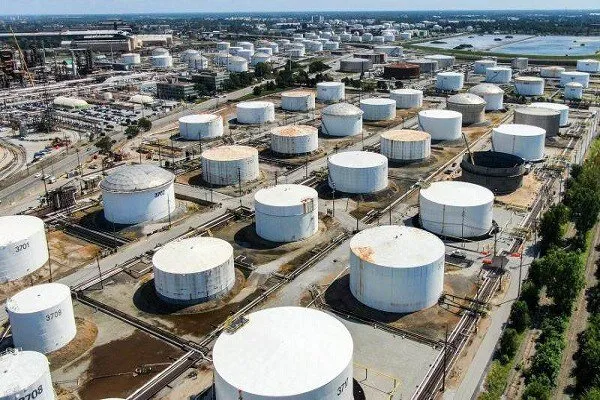
Trading Economics has reported that the price of West Texas Intermediate (WTI) crude oil surged to around $106 per barrel during Monday trading.
According to the report, the sharp rise in oil prices has been driven mainly by the suspension of negotiations between the United States and the Islamic Republic of Iran, as well as the continued closure of the Strait of Hormuz.
The prolonged disruption of the strategic waterway has intensified global concerns over energy security and placed growing pressure on international markets.
At the same time, Reuters cited analysts from Capital Economics warning that if the situation continues, global oil inventories could decline rapidly and potentially reach critical levels by the end of June.
Traders say oil prices are likely to continue rising as long as the Strait of Hormuz remains blocked.
The suspension of political talks between Washington and Tehran has also reduced hopes for a diplomatic resolution to the crisis and increased market uncertainty.
The Strait of Hormuz, through which roughly one-fifth of the world’s oil supply passes, remains one of the most critical energy routes in the world.
Analysts warn that sustained oil prices above $100 per barrel could trigger a new wave of global inflation by increasing transportation, manufacturing, and food production costs.
Markets are now closely watching OPEC and other major oil producers to determine whether they can compensate for supply disruptions caused by the Hormuz crisis.
Experts say the current tensions have transformed the Strait of Hormuz from a regional security issue into a major threat to global economic stability and energy markets.