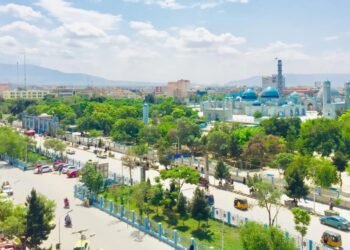

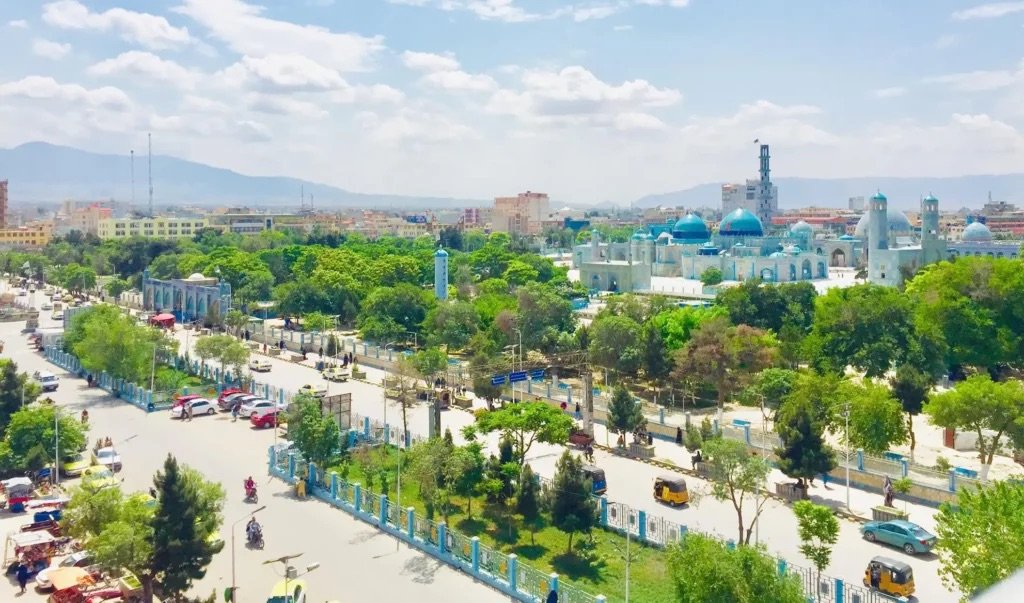
Officials from the Mazar-e-Sharif municipality say that since the launch of the commission for preventing land grabbing and reclaiming seized land, 44 townships in Balkh province have been formally registered, while five additional townships have recently been cleared for development.
Abdul Rahman Hemat, mayor of Mazar-e-Sharif, said official permission will soon be issued for construction, housing renovation, road rebuilding, and other development activities in the five newly cleared townships.
He said the initiative aims to resolve part of the legal uncertainty surrounding land ownership and support urban development in these areas.
At the same time, representatives of several townships have called on relevant institutions to help address problems related to ownership documents and legal recognition of land claims.
Municipal authorities have also promised to organize meetings with landowners and government offices to discuss issues related to permits, legal documentation, and property disputes.
Some residents welcomed the decision, saying they had waited for years for the legalization of housing construction and property transactions.
Land ownership has long remained one of the most complex and sensitive legal and social issues in Afghanistan.
Many residential areas across the country — particularly in large cities — face longstanding disputes over land documents, informal settlements, and the legal legitimacy of property claims.
Analysts say that if the process of registration and permit issuance proceeds transparently and systematically, it could reduce legal uncertainty and stimulate construction and urban development in Balkh.
However, experts warn that a lack of transparency or unresolved disputes over ownership documents could also trigger new conflicts and deepen tensions over land rights.
Specialists further note that in Afghanistan, land is not only an economic asset but also closely tied to power, social legitimacy, and long-term security for families and communities.