
Taliban health officials say more than 12,000 thalassemia patients have been registered across Afghanistan, including 6,873 women.
According to Afghanistan’s Public Health Ministry under Taliban administration, the majority of registered thalassemia patients in the country are children.
Niazgul Niazmund, head of the Central Blood Bank at the ministry, made the announcement on Saturday, 19 Sawr, during an awareness program on thalassemia in Kabul.
He called on both domestic and international organizations to increase support for the treatment of patients suffering from the disease.
The World Health Organization’s office in Afghanistan had previously emphasized that access to blood remains a nationwide necessity.
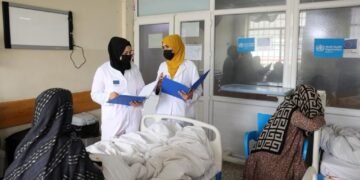
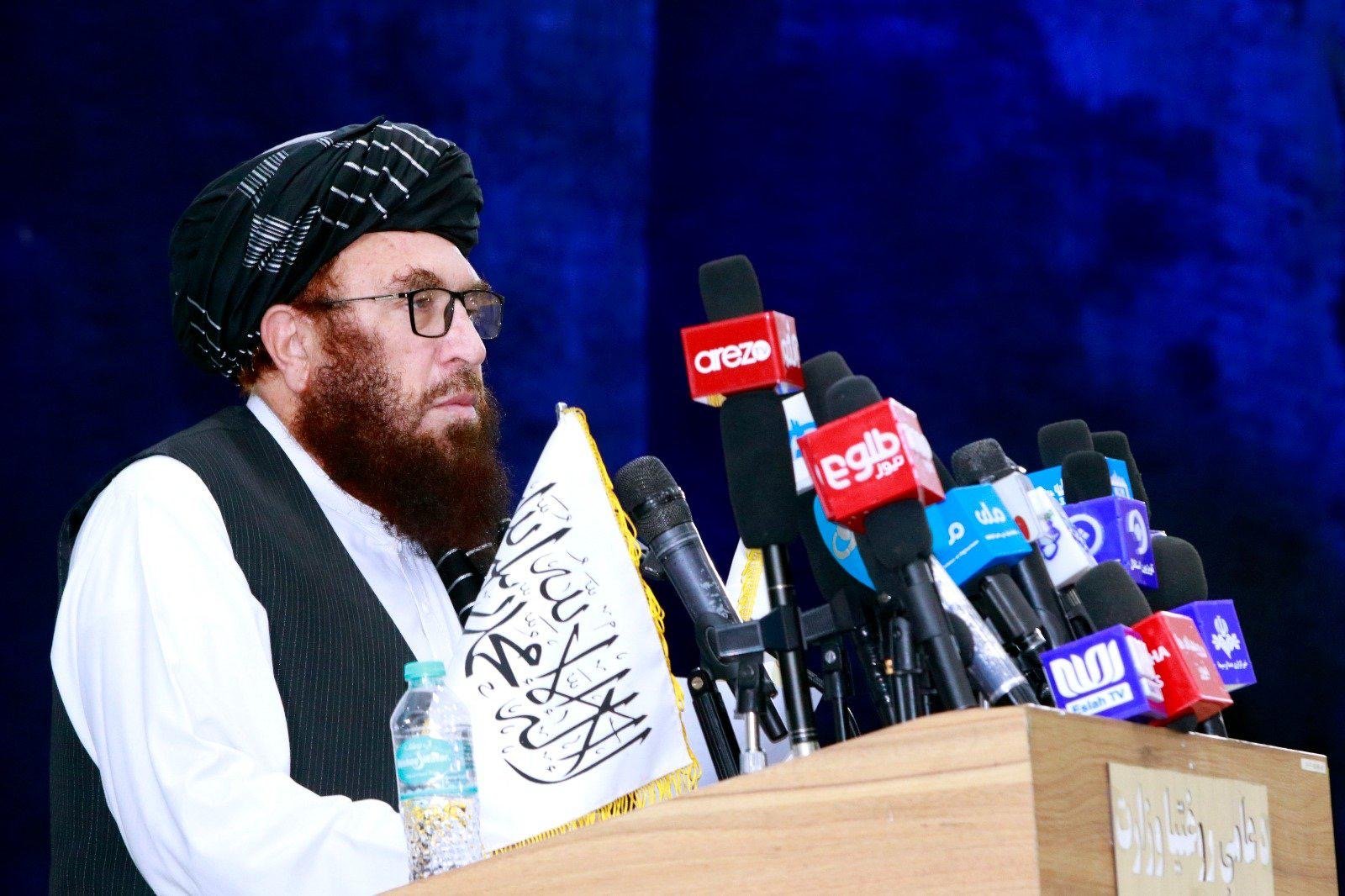
Meanwhile, Abdulwali Haqqani, deputy minister at the Taliban-run Public Health Ministry, said specialized treatment services for thalassemia patients have been established in Kabul and several other provinces.
Thalassemia is a hereditary blood disorder in which the body produces lower-than-normal levels of hemoglobin and red blood cells.
Patients living with thalassemia often require regular blood transfusions, making blood donation one of the most critical components of ongoing treatment.
Health experts warn that limited medical infrastructure, high treatment costs, and restricted access to blood supplies continue to place severe pressure on thalassemia patients and their families in Afghanistan.
The issue also highlights broader structural challenges facing Afghanistan’s healthcare system, particularly in the treatment of chronic diseases requiring long-term and resource-intensive care.