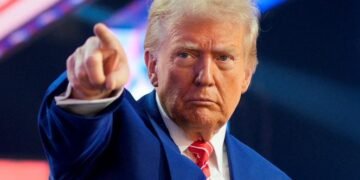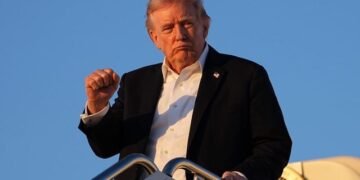

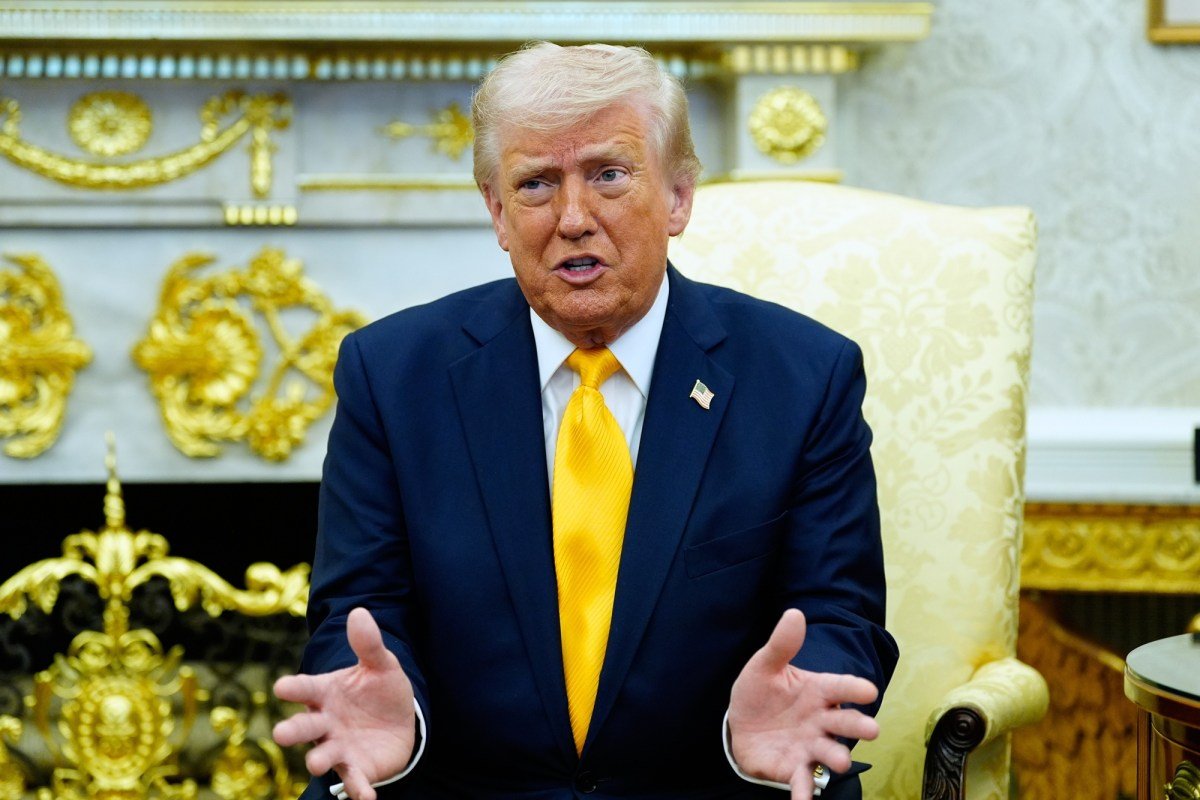
US President Donald Trump has suggested that if Iranian citizens had access to weapons, they could resist the country’s ruling system more effectively.
In remarks to a news outlet, Trump argued that unarmed populations cannot successfully confront armed forces, regardless of their numbers. He pointed to reported casualties during protests, saying that large crowds without weapons lack the means to resist militarized security forces.
Trump added that while he does not want to see violence or bloodshed, armed civilians could, in his view, respond in ways similar to organized forces.
The comments represent one of Trump’s most direct statements regarding Iran’s internal dynamics and protest environment.
More broadly, raising the prospect of civilian armament introduces a highly sensitive dimension into international discourse, potentially being interpreted as rhetorical interference in domestic affairs.
Such statements may contribute to heightened tensions between Tehran and Washington, while also blurring the line between political support for dissent and implicit encouragement of confrontation.
In a volatile geopolitical context, language around armed resistance carries significant diplomatic and security implications.