
The United States has announced the launch of a naval escort operation for commercial vessels in the Strait of Hormuz, under a plan referred to as “Project Freedom,” following Iran’s reported closure of the strategic waterway.
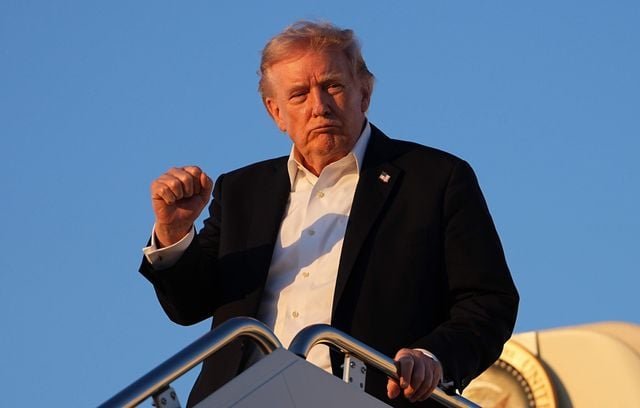
US President Donald Trump said in a statement on Truth Social that commercial ships would be escorted safely through the strait and warned that any disruption would be met with a “decisive” response.
US Central Command (CENTCOM) confirmed that alongside the escort mission, the ongoing blockade of Iranian ports—initiated in mid-April—will continue as part of efforts to limit Iran’s oil exports.
According to available details, the operation involves approximately 15,000 military personnel, guided-missile destroyers, and more than 100 aircraft.
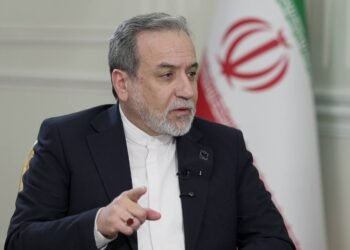
The development comes despite a temporary ceasefire between the United States and Iran, with Iranian officials warning that any military intervention could be interpreted as a violation of that truce.
At the same time, reports of an attack on an oil tanker using an unidentified projectile underscore the continued instability in the area.
The Strait of Hormuz, through which roughly 20 percent of global energy supplies pass, has once again become a focal point of military and economic confrontation.
While Washington has described the operation as protective in nature, its combination with a sustained blockade and expanded military presence suggests a broader strategy of layered pressure against Iran.
In such a volatile environment, even a defensive escort mission carries the risk of rapid escalation in a region still balancing between ceasefire and renewed conflict.