
UNICEF has warned that continued restrictions on girls’ education and women’s employment in Afghanistan could leave the country with a shortage of more than 25,000 female teachers and health workers by 2030.
According to the agency’s latest report, the impact extends far beyond education access, threatening essential systems such as primary schooling and maternal and child healthcare.
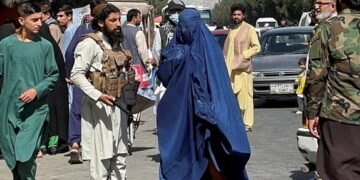
Since the 2021 ban on secondary education for girls, more than one million girls have reportedly been excluded from continuing their studies.
UNICEF also noted that women’s participation in Afghanistan’s civil service declined from 21 percent in 2023 to 17.7 percent in 2025.
If current trends continue, the country could lose an estimated 20,000 female teachers and more than 5,400 female health workers by 2030.
The report warns that reduced female staffing in healthcare could significantly limit access for millions of women and children, particularly in communities where women face barriers to receiving care from male professionals.
UNICEF further estimates that these restrictions may cost Afghanistan around $84 million annually in economic losses.
The agency describes the issue not only as a rights concern, but as a widening human capital, public service, and economic crisis with long-term national consequences.