
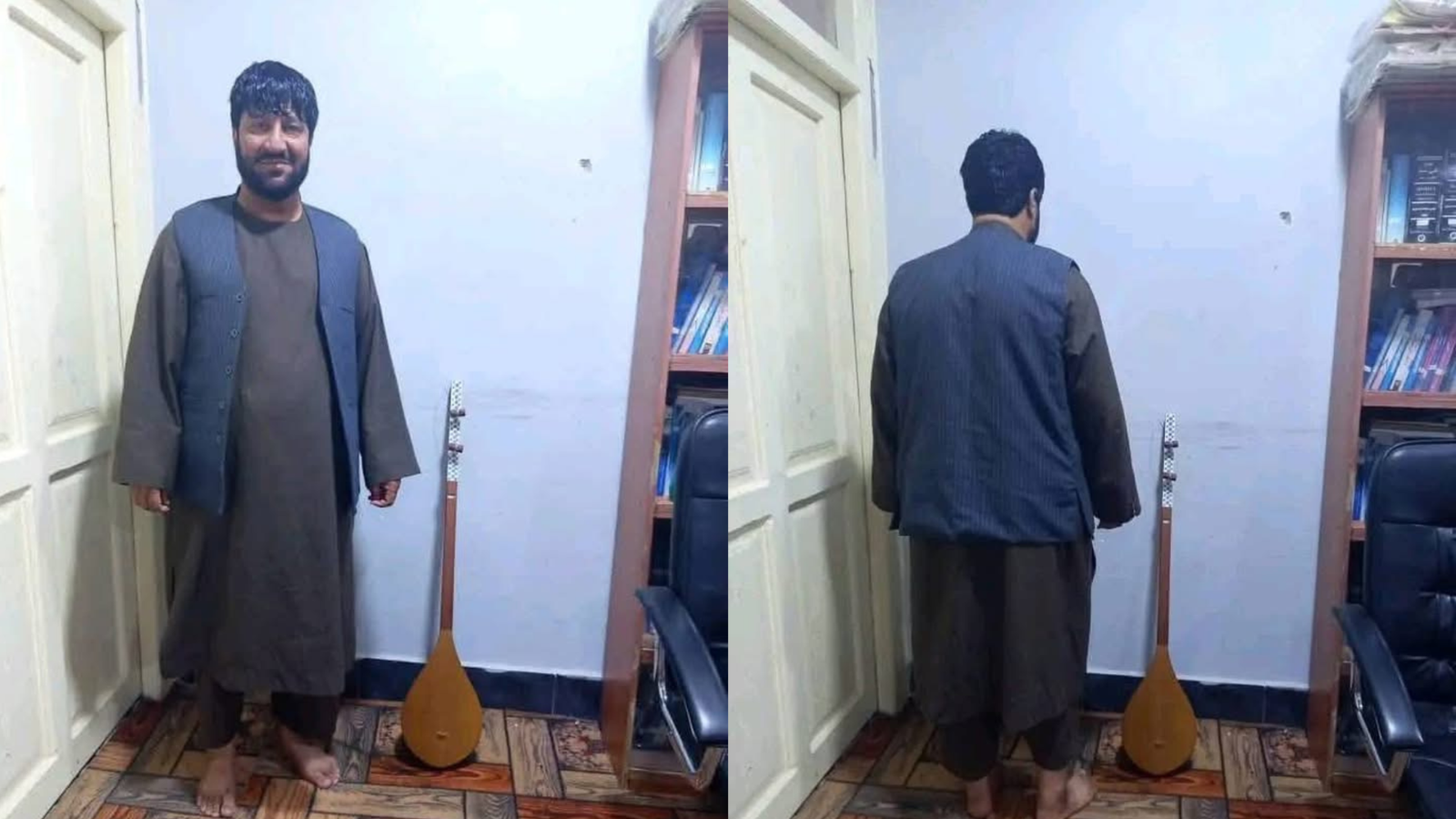
Local sources say Firoz Kundzi, a well-known artist from northern Afghanistan, was detained by Taliban morality authorities and later released after what was described as a “recommendation.”
According to reports, Kundzi was reportedly pressured after his detention to abandon artistic activity—particularly music—without any publicly clarified judicial process or official legal explanation for the arrest.
The reported incident comes amid broader Taliban restrictions on music, which the group has banned under its strict interpretation, contributing to the departure, silence, or forced inactivity of many Afghan artists in recent years.
Beyond an individual case, Kundzi’s reported detention may reflect wider pressure on Afghanistan’s cultural sphere.
When artistic expression faces suppression without transparent legal procedures, the issue extends beyond one performer to broader questions about cultural memory, artistic diversity, and social identity.
Such developments continue to raise concerns over whether meaningful space for independent art and cultural freedom can endure under Afghanistan’s current restrictive environment.