
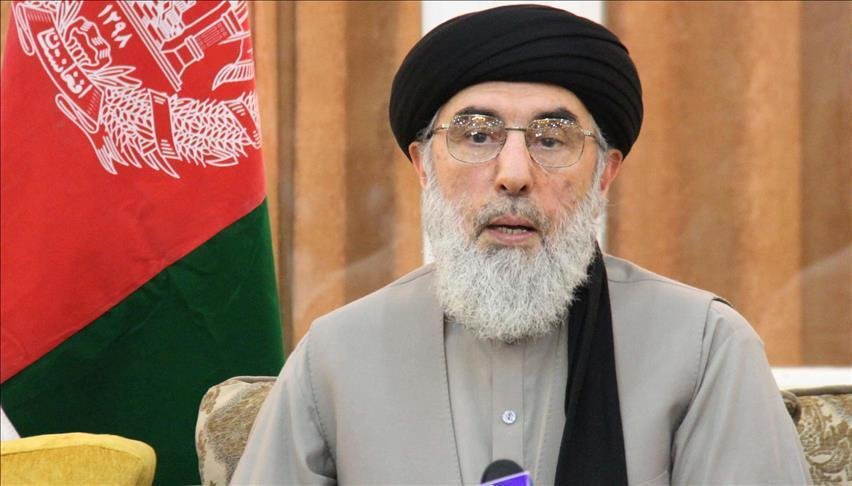
Gulbuddin Hekmatyar, leader of Hezb-e-Islami, has described the current situation in Afghanistan as “unacceptable” and called for immediate change and the holding of elections.
In a statement, he said the absence of a constitution, lack of representative institutions, and the absence of an elected government are among the country’s key challenges.
His remarks come as Taliban officials have urged political figures living abroad to return, referring to a general amnesty.
In response, the Hezb-e-Wahdat party led by Mohammad Karim Khalili stated that any return of political leaders must be conditional on the creation of a fair political system based on the will of the people.
These developments reflect competing visions for Afghanistan’s future—one focused on elections and structural change, and another centered on reintegration within the existing system.
The Taliban have continued to oppose the formation of an inclusive government and have ruled without elections, a point that remains a central source of political disagreement.
Angle Analysis:
The situation underscores a legitimacy debate, where competing political actors are divided between calls for democratic restructuring and acceptance of the current power framework.