
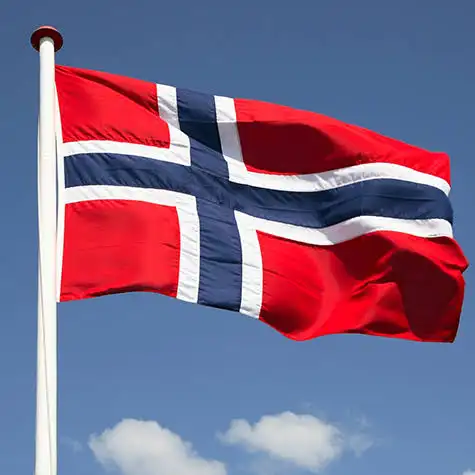
Norway has contributed approximately $2.6 million to the United Nations Special Trust Fund for Afghanistan, providing fresh funding for humanitarian and development-related assistance amid continuing needs across the country.
The UN trust fund welcomed the new Norwegian contribution, saying sustained support from Norway helps UN agencies expand essential services for vulnerable communities in Afghanistan.
According to official UN fund data, Norway has contributed more than $49.3 million to the Special Trust Fund for Afghanistan, making it one of the fund’s largest donors, behind Sweden and Germany.
The Special Trust Fund for Afghanistan was established in 2021 as a pooled UN mechanism to support basic human needs, essential services, livelihoods, disaster response, human rights and women’s empowerment. Its resources are channelled through participating UN agencies and joint programmes rather than being transferred directly to Taliban authorities.
Norway has emphasized that its assistance to Afghanistan does not go directly to the Taliban. Instead, funding is delivered through multilateral institutions and humanitarian and development organizations working with communities.
Oslo has also stressed that equal access for women and girls to services is an important condition for its support for programmes in Afghanistan.
The latest contribution comes as humanitarian organizations continue to face significant funding pressures while millions of Afghans depend on international assistance for food, health care, livelihoods, protection and other essential services.
Since 2021, donors have provided hundreds of millions of dollars through the Special Trust Fund for Afghanistan. The fund currently supports programmes implemented by a range of UN agencies, including the United Nations Development Programme, UNICEF, UNHCR, UN Women, the World Food Programme and the World Health Organization.
Norway’s new contribution therefore represents more than a single financial transfer. It also signals Oslo’s continued reliance on multilateral channels for assistance to Afghanistan while seeking safeguards over how that support reaches the population.
For Afghanistan, the broader significance is tied to the sustainability of international aid. As humanitarian needs remain high and donor resources face competing global demands, continued contributions to pooled UN mechanisms remain an important source of funding for basic services and vulnerable communities.
The key issue is no longer only the amount of aid being pledged, but whether available resources can be maintained and translated into reliable services for Afghans, particularly women and girls and other groups facing barriers to access.