
United Nations experts are urging Pakistan to halt the forced return of Afghans who may face persecution, torture or other serious human rights violations, calling for an individual assessment of protection risks before any person is sent back to Afghanistan.
The experts have expressed serious concern over forced returns and said Pakistan should establish a transparent and accessible mechanism through which people at risk can seek protection without fear of arrest, detention or deportation.
They warned that without such a mechanism, vulnerable Afghans may avoid seeking protection altogether. Those potentially affected include women, children, journalists, human rights defenders, former judges and prosecutors, and members of Afghanistan’s former security forces.
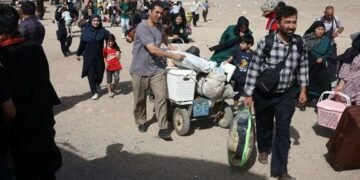
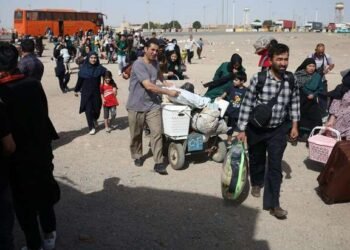
Information presented to the UN experts indicates that between July 1 and August 26, about 127,344 Afghans entered Afghanistan from Pakistan, while at least 14,186 were reportedly forcibly returned. Women and children accounted for about 38,388 of those returning during the period.
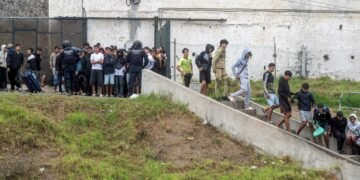
The experts have also raised particular concern over the return of unaccompanied Afghan children. They said Afghanistan currently lacks sufficient mechanisms to provide these children with appropriate reception, protection and care after their return.
The concerns extend beyond deportations to Afghan medical and dental students in Pakistan. According to the UN experts, a recent Pakistani decision has affected at least 100 Afghan medical and dental students, including an estimated 20 to 40 women.
For Afghan women studying medicine, the consequences could be particularly serious. The Taliban has imposed restrictions that prevent women and girls from accessing higher education and medical education in Afghanistan, meaning forced return could place their ongoing studies and professional futures at significant risk.
Pakistan’s Human Rights Commission had previously raised concerns about the decision affecting Afghan students. The Lahore High Court also temporarily suspended implementation of the directives concerning Afghan medical students on September 11, bringing the issue into a judicial process alongside its broader migration and human rights dimensions.
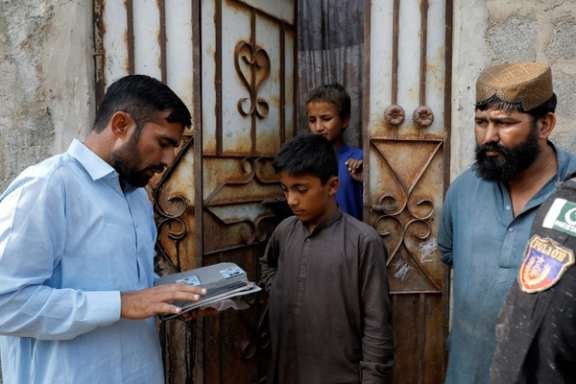
The UN experts said they welcomed information from Pakistan’s Foreign Ministry indicating that about 16,000 vulnerable Afghans had been identified. At the same time, they called for greater clarity about the criteria and procedures used to identify people in need of protection.
They stressed that people facing potential danger should be able to request protection without fear of detention or removal and, where necessary, should have access to temporary protection and secure legal status.
At the center of the UN experts’ concerns is the principle of non-refoulement. Under this principle, people should not be returned to a country where there are substantial grounds to believe they face a real risk of torture, persecution, arbitrary detention, enforced disappearance or other serious and irreparable harm.
The UN Committee Against Torture has also raised concerns in its 2026 assessment of Pakistan about the lack of sufficient safeguards against forced return. It referred to the removal of large numbers of Afghans, including children, without individual assessments of their protection needs.
Pakistan maintains the right to manage the legal status of foreign nationals on its territory and has described its repatriation policy as targeting people without valid legal status. The central concern raised by UN experts, however, is how that policy is implemented when individual Afghans may face serious risks after return.
The issue is therefore increasingly moving beyond a dispute over migration management. It now involves questions of individual protection, access to justice, the future of Afghan students and the safety of particularly vulnerable groups, including women and unaccompanied children.
The UN experts have also called on wealthier countries to take greater responsibility for Afghans at risk by supporting host countries, providing financial assistance and expanding safe pathways and resettlement opportunities.
For thousands of Afghans in Pakistan, the tension between deportation policies and protection obligations has become a direct question of what happens next. For women whose educational opportunities are severely restricted in Afghanistan and children who may return without family or adequate support networks, the consequences of that decision could extend far beyond the moment of deportation.