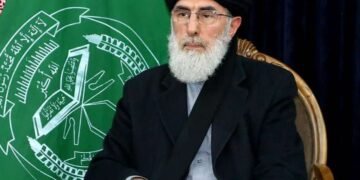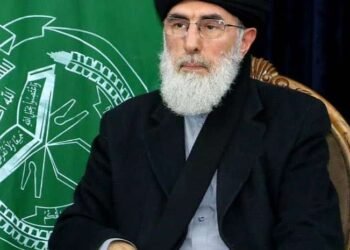

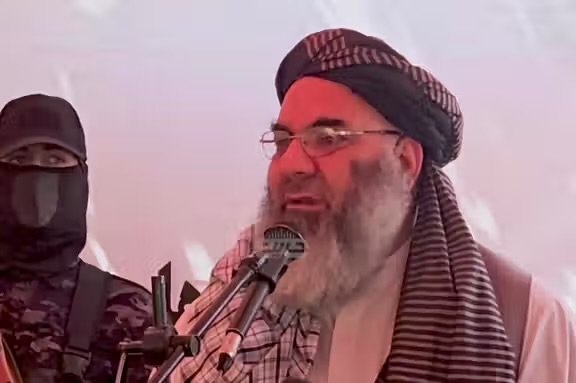
Mohammad Ismail Ghaznawi, the Taliban-appointed governor of Afghanistan’s Badakhshan Province, has called on armed opposition groups to end their campaign against the Taliban, while warning that the movement is prepared to confront its opponents if the fighting continues.
Addressing anti-Taliban armed groups, Ghaznawi questioned their military objectives, saying, “When NATO and the United States supported you, what did you achieve?” He also claimed that opposition forces would ultimately fail to realize what he described as their ambition of taking control of the country.
The Taliban governor urged opposition fighters not to disturb public security and asserted that Afghanistan now enjoys “security and justice.” He said anyone with grievances could raise them with Taliban authorities, adding that the administration’s offices remain open to the public.
Ghaznawi further stated that Taliban leaders are seeking to persuade their opponents through dialogue and reason, encouraging them to distance themselves from what he described as foreign influence.
His comments come as heavy fighting continues in the Topkhana area of Zebak district, near Afghanistan’s border with Pakistan. According to multiple reports, clashes between Taliban forces and the Freedom Front began on Thursday and were continuing at the time of publication.
On Saturday, the Freedom Front claimed its fighters had shot down two Taliban military drones in Zebak and said Taliban forces had failed to advance on its positions in recent days. The Taliban have not officially responded to those claims, which have not been independently verified.
Meanwhile, images published by Afghanistan International appear to show Fasihuddin Fitrat, the Taliban’s Chief of Army Staff, present alongside Taliban forces near the front line in Zebak. Reports also indicate that the Taliban have deployed additional troops and military equipment to Badakhshan by both land and air as the fighting continues.
Independent verification of battlefield developments remains difficult because of limited access to the conflict area and the absence of official confirmation from all parties.