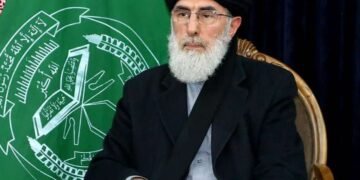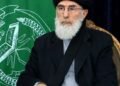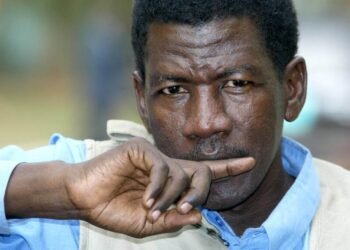

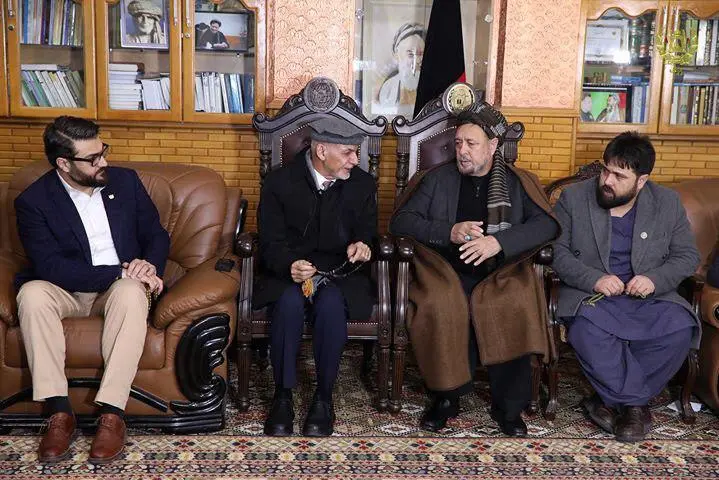
Mohammad Mohaqiq, leader of the Islamic Unity Party of the People of Afghanistan, has argued that political power in Afghanistan has historically been concentrated in the hands of Pashtun leaders and said such an arrangement is no longer acceptable to many of the country’s other ethnic communities.
Speaking in an interview with an Iranian media outlet, Mohaqiq said that, in his view, successive governments throughout Afghanistan’s history sought to ensure that the country’s highest political office remained under the leadership of a Pashtun figure. He argued that ethnic identity often played a greater role than ideological or religious affiliation in determining political leadership.
Mohaqiq further claimed that some Pashtun political movements have worked to preserve an exclusive power structure, with major national decisions being shaped primarily by their interests.
He said Afghanistan is a multi-ethnic country and that its political system should be based on the meaningful participation of all ethnic communities and social groups rather than the concentration of power within a single ethnic group.
Questions surrounding political representation, ethnic inclusion and the distribution of power have long been among Afghanistan’s most sensitive political issues and have remained central to debates over the country’s future governance.
The Taliban have repeatedly stated that their administration is inclusive and includes representatives from Afghanistan’s various ethnic communities. Critics, however, dispute that characterization and argue that senior positions within the current governing structure are predominantly held by members of one ethnic group.
Mohaqiq’s remarks reflect continuing political debate over the future shape of governance in Afghanistan, where calls for broader representation remain a recurring theme among opposition figures and many political observers.