
The European Union has announced a new €20 million funding package for the International Organization for Migration (IOM) to support returnees, internally displaced persons and host communities across Afghanistan.
According to the EU, the funding will be used to provide essential services, livelihood assistance, vocational training and programs aimed at helping returning migrants reintegrate sustainably into society.
The assistance comes as Afghanistan continues to face one of the world’s largest humanitarian crises, with large-scale returns from neighboring countries placing additional pressure on already limited infrastructure and resources.
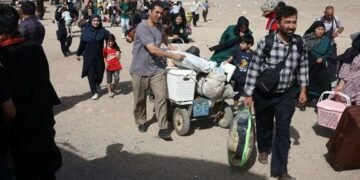
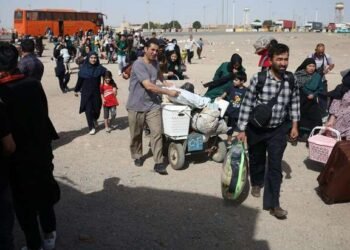
The International Organization for Migration reported that more than 2.8 million undocumented Afghan migrants returned from Iran and Pakistan during 2025 alone.
Many returnees arrive with limited resources and face significant challenges in accessing housing, employment opportunities and basic public services.
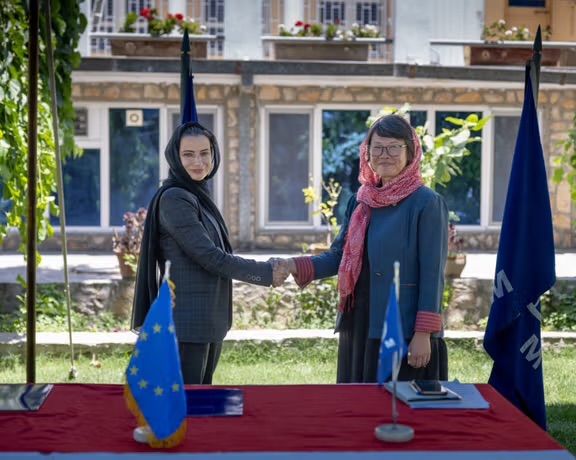
Veronika Boskovic Pohar, the European Union’s Chargé d’Affaires for Afghanistan, said the EU remains committed to supporting the reintegration of returnees and that cooperation with the IOM is a key part of that effort.
She noted that since 2022, the European Union has allocated more than €140 million to address displacement-related challenges and support vulnerable populations in Afghanistan.
Muthia Izora Mascon, IOM Deputy Chief of Mission for Operations, said the new funding will help expand life-saving services, improve access to essential assistance and strengthen support for women and other vulnerable groups.
According to the IOM, part of the program will focus on vocational training, income-generation projects and support for small and medium-sized businesses to improve long-term economic opportunities for returnees.
The organization believes these measures can help create more sustainable pathways for reintegration and reduce the risk of further displacement.
From Nimruz TV’s perspective, the new EU contribution reflects growing international concern over the scale of migration and return movements affecting Afghanistan. While humanitarian assistance can ease immediate pressures, experts continue to warn that long-term stability will require broader economic recovery, job creation and sustained international engagement to address the root causes of displacement.