
Afghanistan has been ranked fifth among the world’s most neglected displacement crises in 2025, according to the Norwegian Refugee Council (NRC), which warns that millions of Afghans continue to face severe humanitarian challenges despite declining international attention and support.
In its annual report on global displacement crises, released on Thursday, the NRC identified Sudan, the Democratic Republic of the Congo, Colombia, Yemen, and Afghanistan among the countries whose humanitarian emergencies remain significantly overlooked by the international community.
The organization said Afghans continue to struggle with widespread poverty, climate-related pressures, drought, natural disasters, restrictions affecting women, and a sharp decline in international humanitarian assistance.
According to the report, Afghanistan’s humanitarian crisis has not eased since the Taliban returned to power. Instead, many indicators suggest that conditions have deteriorated further in recent years.
The NRC estimates that nearly four million children across Afghanistan are at risk of malnutrition, highlighting the severity of the country’s food security crisis.
The report also warns that the closure of more than 400 health facilities has significantly reduced access to medical services for millions of people, placing additional strain on an already fragile healthcare system.
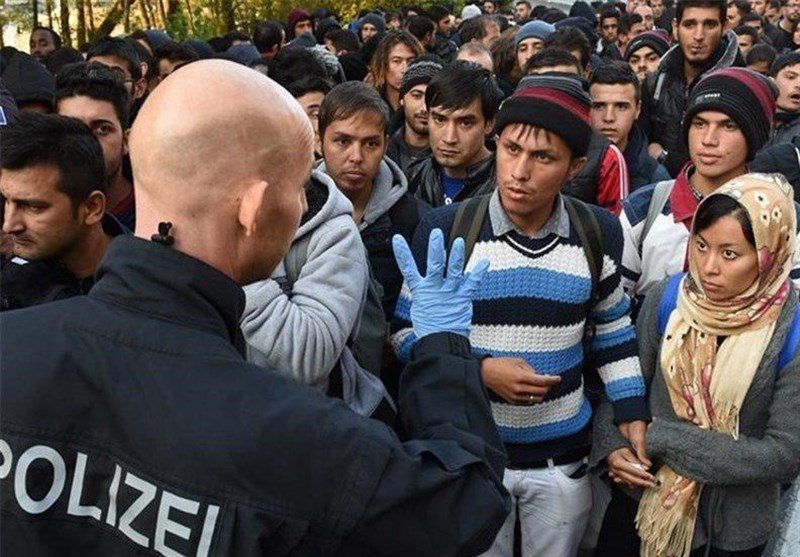
Researchers further pointed to the growing return of Afghan migrants from Iran and Pakistan, noting that many returnees have arrived without adequate resources, employment opportunities, or social support.
The organization described the situation as a failure of refugee protection and warned that large-scale forced or unplanned returns could place even greater pressure on Afghanistan’s economy, public services, and humanitarian infrastructure.
Jacopo Caridi, the NRC’s Country Director in Afghanistan, said humanitarian conditions continue to worsen while international engagement declines.
“Day by day, the humanitarian situation deteriorates, while international donors continue to pull away. Afghanistan is politically isolated, and humanitarian aid is effectively carrying the burden of providing basic services for an entire country,” he said.
The report also highlights the situation of Afghan women and girls, warning that educational restrictions and shortages of female healthcare workers continue to limit access to essential services for millions of women across the country.
The NRC urged neighboring countries to continue supporting Afghan refugees and called on the international community not to reduce humanitarian assistance at a time when needs remain acute.
NIMRUZ ANGLE
One of the report’s most significant findings is not only the scale of Afghanistan’s humanitarian challenges but the degree to which the crisis has faded from international headlines. While conflicts and emergencies elsewhere dominate global attention, Afghanistan remains home to millions facing displacement, food insecurity, poverty, and limited access to basic services. The report suggests that declining visibility may be becoming one of the country’s greatest humanitarian risks.
FINAL ANALYSIS
The NRC’s assessment portrays Afghanistan as a country trapped between chronic humanitarian needs and diminishing international engagement. With malnutrition rising, healthcare services shrinking, climate-related pressures intensifying, and returning migrants adding new strains, the crisis continues to evolve rather than recede. Unless donor support, regional cooperation, and humanitarian assistance are sustained, the consequences could extend far beyond immediate relief needs and shape Afghanistan’s social and economic landscape for years to come.