
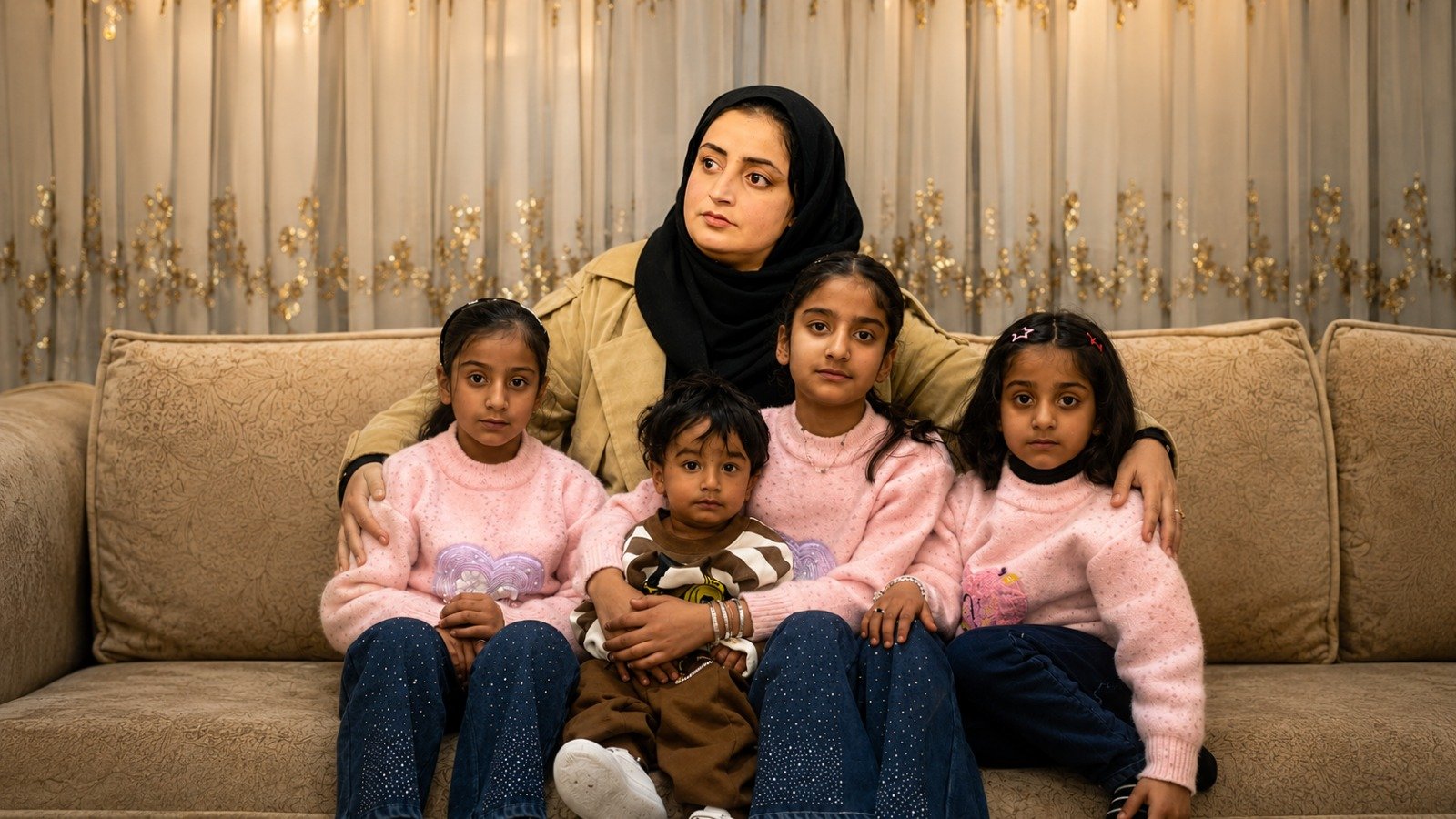
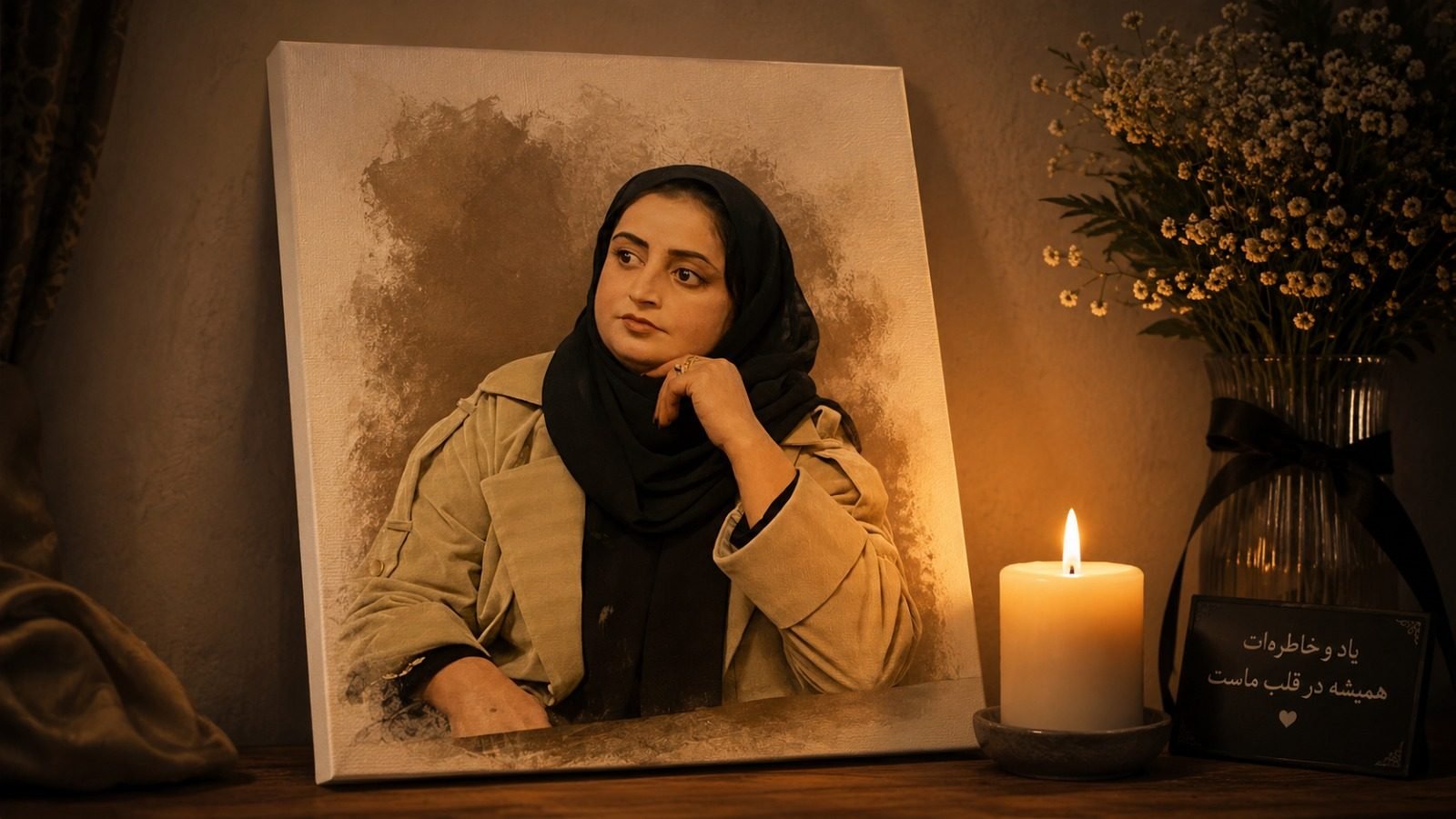
Five children are now growing up without their mother — a mother who, according to her family, spent years enduring hardship in an effort to preserve her marriage and keep her family together. Lisa Shams, an educated woman and mother of five, died on February 1, 2026. Her family describes her death as the end of years of suffering and the beginning of their search for truth and justice.
\
Colonel Shamsuddin Shams, Lisa’s father, says his daughter faced restrictions and difficulties after her marriage that gradually distanced her from her parents and relatives. According to the family, her contact with loved ones became increasingly limited, and in messages and voice recordings she spoke about emotional pressure and challenges in her personal life.
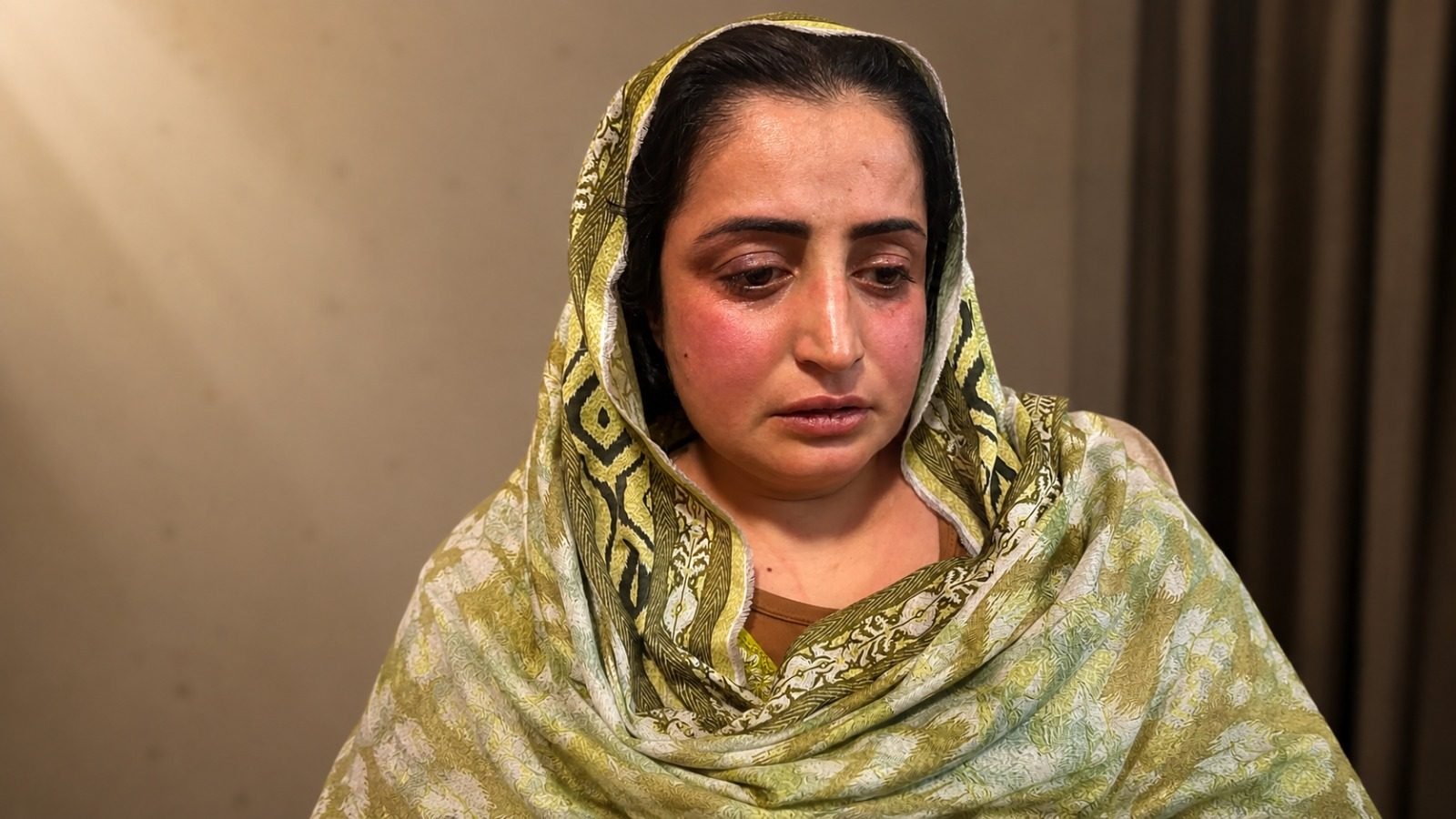
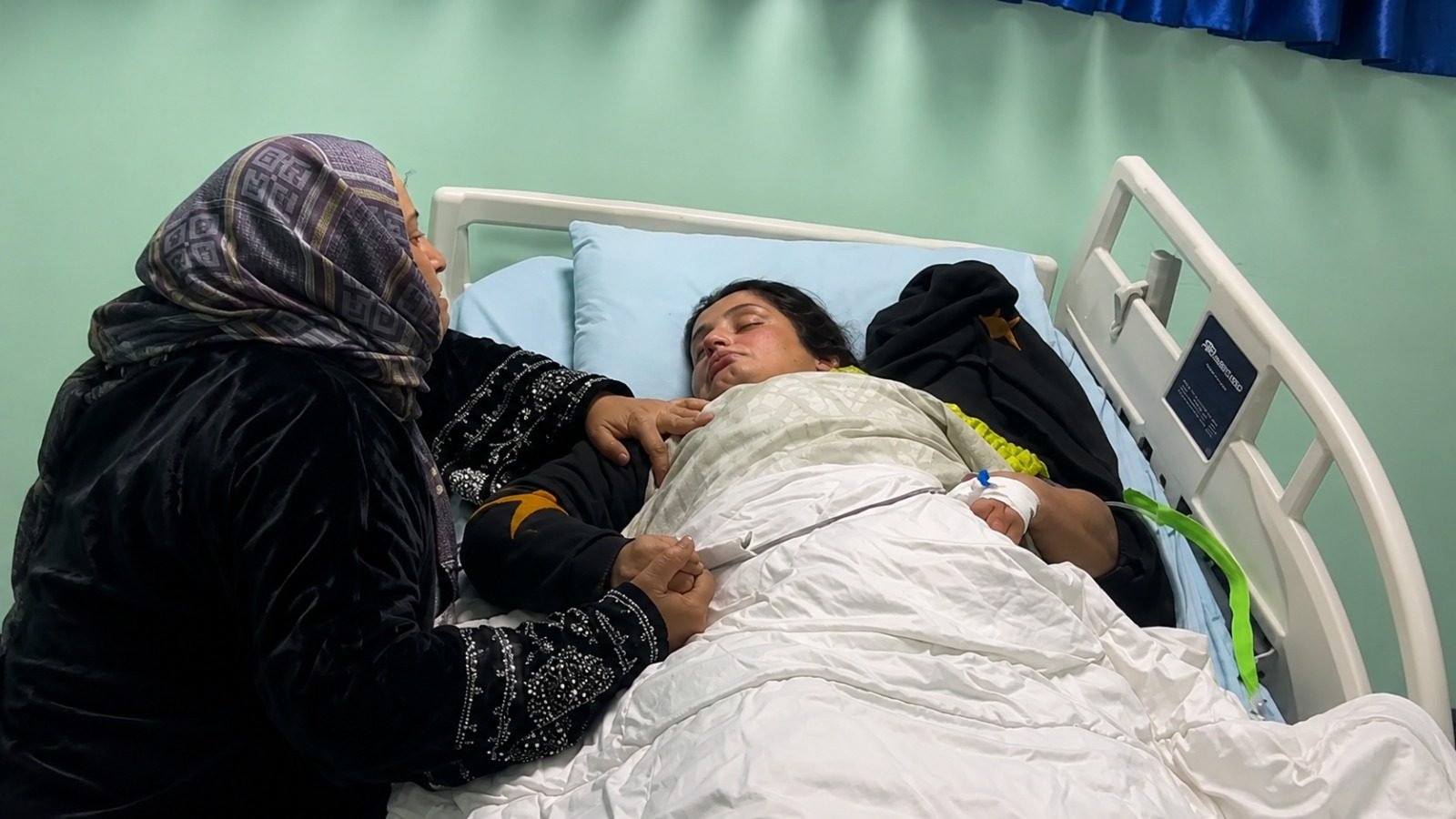
The family says that on February 1, 2026, Lisa contacted her father while in poor health. Relatives rushed to assist her, and she was later transferred to a hospital. According to the family, her condition was critical, and despite medical efforts, she passed away shortly afterward.
Following her death, the family called for a full clarification of the circumstances surrounding the case. They say important questions remain unanswered regarding the events leading up to her death, the investigation process, and the handling of the case. The family also states that it possesses documents, images, videos, and witness accounts that they believe could contribute to establishing the facts.
While public statements often emphasize the protection of women and family welfare, cases such as this continue to raise concerns about access to justice, transparency, and support for women facing hardship. Women’s rights advocates have repeatedly warned that prolonged abuse and psychological pressure can have severe and lasting consequences for victims and their families.
The case of Lisa Shams is not only about the fate of one woman. It also raises broader questions about the protection of women, the availability of support mechanisms, the accountability of institutions, and the effectiveness of legal processes.
The family stresses that it is not seeking revenge but rather an independent, transparent, and impartial examination of all available evidence and testimonies. They are calling on judicial, legal, and human rights institutions to review the case according to legal standards and established facts.
Lisa Shams is no longer with her family, but the questions they continue to raise remain unresolved: if a woman speaks about her struggles for years and her voice is not heard, what responsibility does society bear, and how can similar tragedies be prevented in the future?