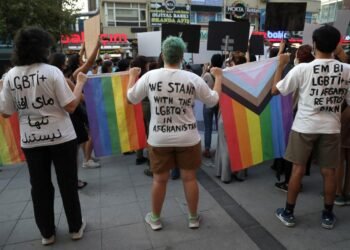

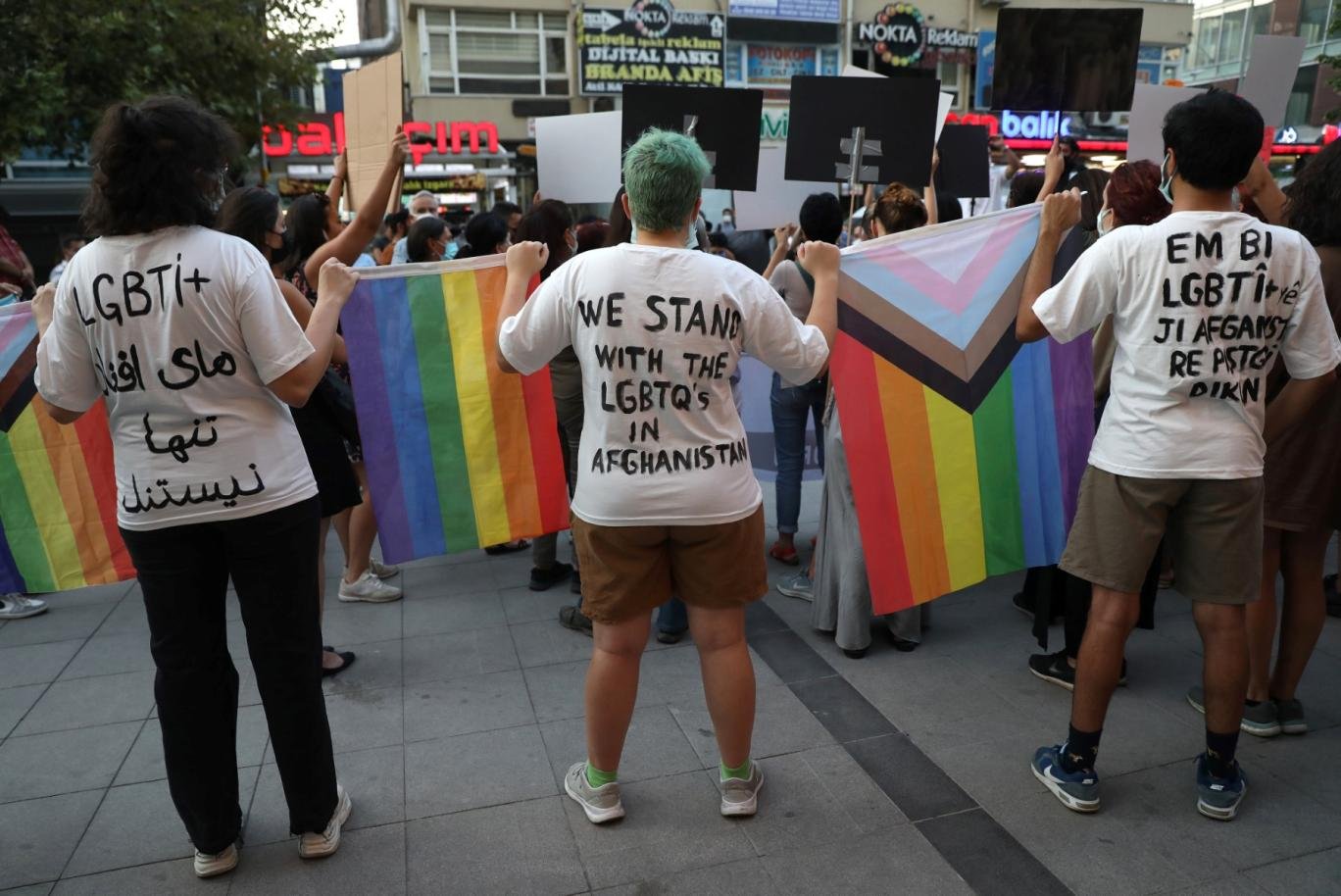
German investigative outlet Correctiv has published a report describing how Afghan refugees with diverse sexual orientations and gender identities continue to face insecurity, fear of deportation, family violence, and lack of support even after fleeing Afghanistan.
The report, titled “Nowhere To Exist,” is based on five personal testimonies and supported by findings from organizations including Human Rights Watch, Amnesty International, Afghan LGBTQ organizations, and official European and German data.
According to the report, pressure on queer and transgender Afghans has intensified significantly since the Taliban returned to power in 2021.
Correctiv states that under the Taliban’s new penal code introduced in January 2026, same-sex relations can be punished by death.
The report emphasizes that threats against LGBTQ Afghans do not come only from the Taliban.
Families, communities, neighbors, and even online spaces can also become sources of violence, intimidation, and social exclusion.
Several testimonies published in the report describe family members physically assaulting, imprisoning, humiliating, or controlling their children instead of protecting them.
Correctiv also reports that fleeing to Pakistan has not brought safety for many Afghan LGBTQ refugees.
For some, Pakistan has become a place of uncertainty, exploitation, prolonged waiting, and constant fear of deportation.
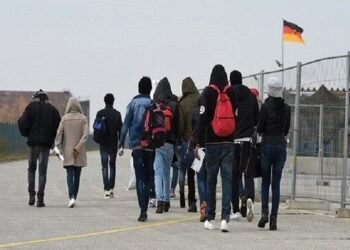
The report additionally examines the situation in Germany, noting that although Germany legally recognizes persecution based on sexual orientation and gender identity as grounds for asylum, many support systems for queer and trans refugees remain weak or are disappearing.
Correctiv’s investigation presents a picture of refugees living through layered and ongoing insecurity even after leaving Afghanistan.
Human rights organizations have repeatedly warned that the social and security environment for LGBTQ individuals in Afghanistan has deteriorated dramatically since the Taliban regained power.
Analysts say the report highlights how displacement alone does not automatically end vulnerability for marginalized refugees.
Observers note that for many queer Afghan refugees, threats remain deeply connected not only to political repression but also to social stigma, family rejection, and lack of sustainable protection mechanisms in transit and destination countries.
The report also raises broader questions about the gap between formal asylum recognition in Europe and the actual availability of long-term social and psychological support for vulnerable refugee communities.