
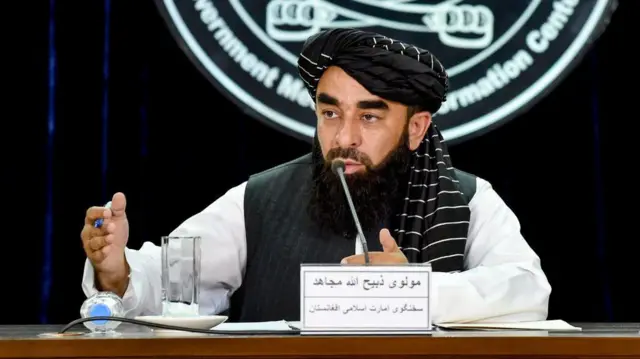
Taliban spokesperson Zabihullah Mujahid has rejected criticism of the group’s newly approved “Principles of Spousal Separation” regulation, saying objections to the document are irrelevant to the Taliban administration.
Speaking in an interview broadcast Wednesday on Taliban-controlled state television, Mujahid defended provisions related to child marriage and guardianship under Hanafi Islamic jurisprudence.
He said the authority of fathers and paternal grandfathers over children is clearly established in Hanafi law and argued that marriages arranged by a father or paternal grandfather are considered religiously valid.
According to Mujahid, the only conditions for such marriages are the guardian’s mental fitness and a proper relationship with the child.
“This is a ruling of Sharia, not a ruling created by the Taliban,” Mujahid said.
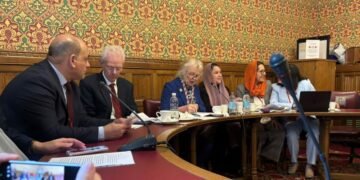
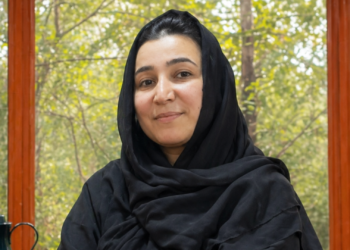
Human rights activists, however, argue that the new regulation effectively institutionalizes child marriage and imposes further restrictions on women’s rights in Afghanistan.
The Taliban recently approved a 31-page legal document covering issues including child marriage, annulment of marriage, custody rights, and the authority of family guardians.
Under parts of the regulation, child marriages may be annulled in certain situations, including cases involving disappearance of a husband, forced separation, apostasy, or religious disputes.
The document also references the Islamic legal principle known as “Khiyar al-Bulugh,” which allows a person to reject a marriage arranged during childhood after reaching adulthood.
According to Article 5 of the regulation, if a child marriage was arranged by someone other than the father or paternal grandfather, the individual may seek annulment through a Taliban court after reaching maturity.
The regulation also grants broad authority to family guardians over child marriage decisions, although it states that marriages arranged by abusive guardians or those lacking mental fitness are invalid.
Another section states that custody of boys generally remains with the mother until age seven, while custody of girls remains with the mother until age nine before transferring to the father.
International organizations have repeatedly warned that child marriage has increased in Afghanistan since the Taliban returned to power in 2021, linking the trend to poverty, insecurity, and growing social restrictions.