
Concerns are growing over the management of the Takhar Football Federation, where critics accuse officials of appointing individuals unrelated to football, relying on personal connections, making behind-the-scenes decisions, and organizing tournaments for financial and factional interests.
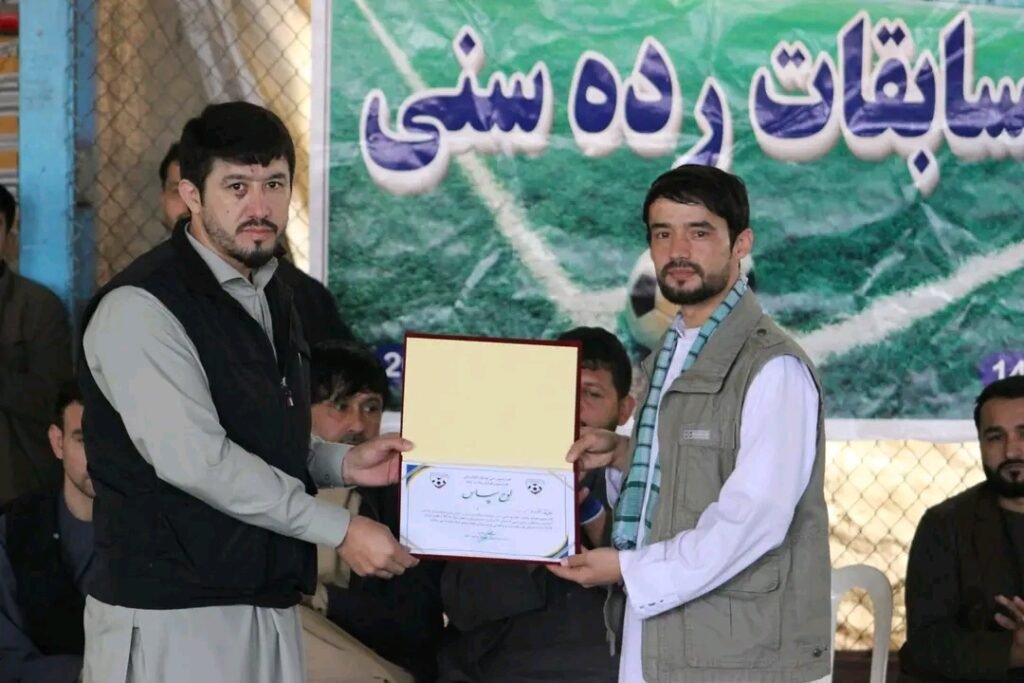
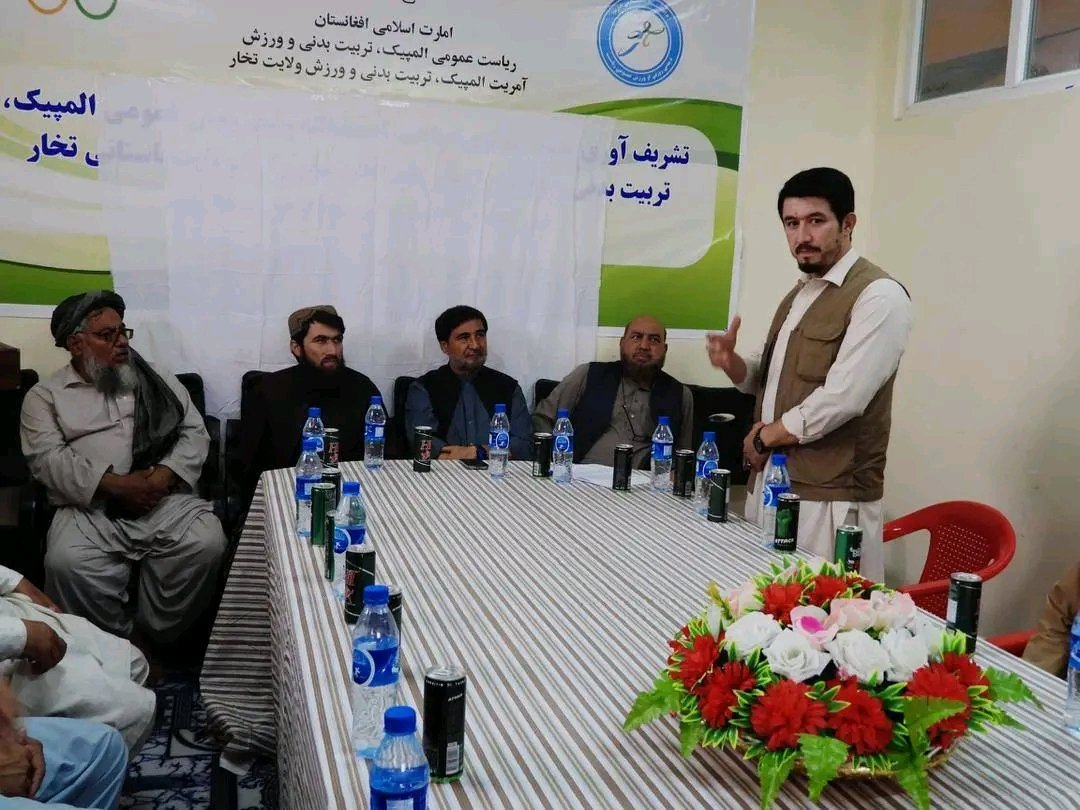
Reports and allegations emerging from inside the Takhar Football Federation indicate that the institution’s management structure faces serious questions regarding transparency, professionalism, and fairness. The appointment of Zabihullah Bikzad, an active member of a Buzkashi team, as acting head of the Takhar Football Federation has sparked widespread reactions among football players and sports activists.
Critics say appointing someone whose primary background is in Buzkashi to lead football affairs reflects the dominance of connections over expertise in Takhar’s sports system. At the same time, the role of Shafi Habibi, an active football referee and technical deputy of the federation, has also come under scrutiny. Sources claim he holds significant influence over the federation’s decision-making process.
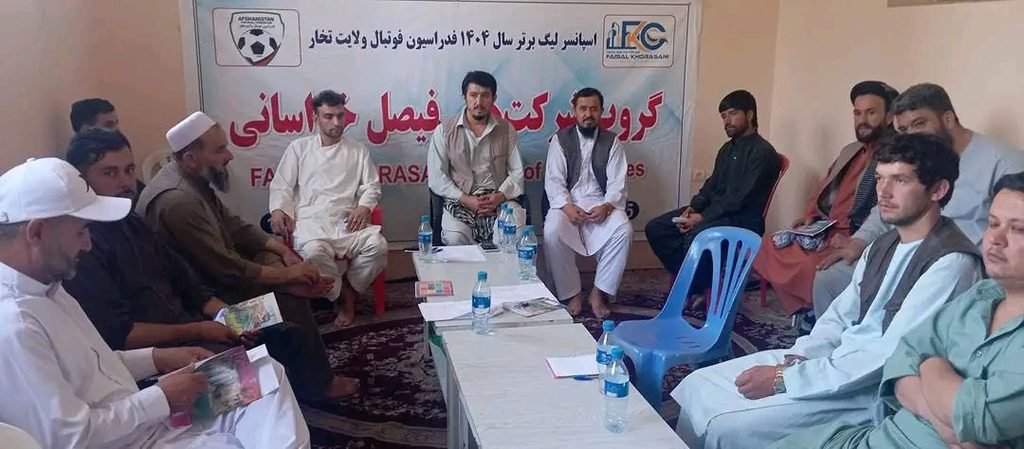
Meanwhile, allegations have surfaced regarding close and behind-the-scenes relations between local football officials in Takhar and Hafiz Ahmad Jan Zadran, the country’s deputy minister for technical affairs in physical education. No official or transparent response has yet been provided regarding these claims.
Concerns are not limited to appointments alone. Several teams have complained about unfair refereeing and controversial league decisions. The relegation of Shahin FC from Takhar’s 1404 Premier League to a lower division has become one of the most disputed cases. According to sources, related documents were sent to the national federation, but the final decision remains unclear.
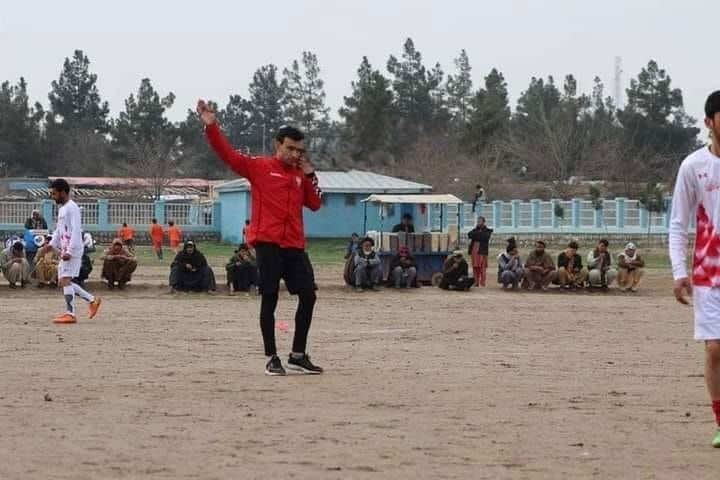
Critics also allege that some tournaments were organized not according to a professional football calendar, but for financial gains, lavish gatherings, and fundraising purposes. Holding matches in remote areas, collecting money and privileges, and the long delay in organizing Takhar’s Division B league have all intensified criticism.
Although the year 1405 has already entered its third month, the Division B competitions that were supposed to take place last year have still not been held. Many footballers see this as a sign of neglect toward the real development of football in Takhar.
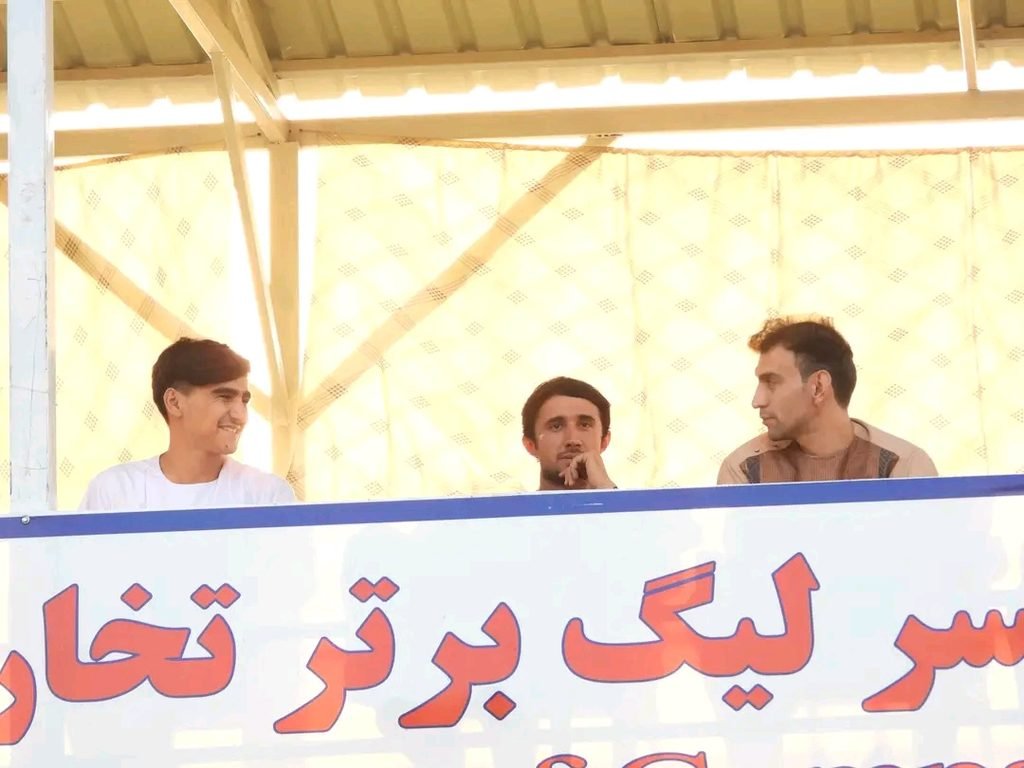
The crisis in Takhar football is not merely about one controversial appointment; it reflects a system where connections, influence, and hidden networks can override professionalism, sporting justice, and the rights of athletes. If sports management is not based on transparency and expertise, will football in Takhar remain a fair competition, or become a tool for the interests of powerful circles?