
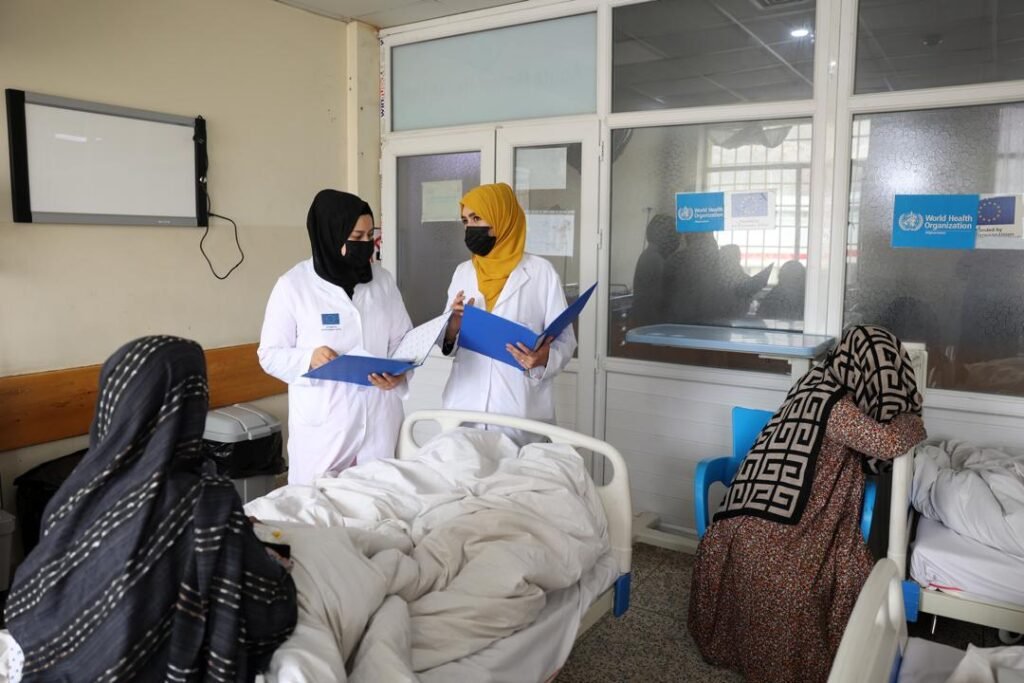
The Afghanistan Analysts Network has warned in a new report that women’s health in Afghanistan is facing a deepening crisis due to the closure of health centers, shortages of female staff, restrictions on girls’ education, and sharp reductions in international aid.
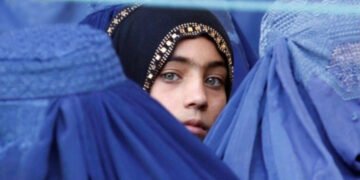
According to the report, access to healthcare for women — especially in rural areas — has become increasingly difficult in recent years.
The closure of clinics, lack of female doctors and midwives, and growing economic pressure on families have left many women unable to afford even transportation to the nearest medical facility.
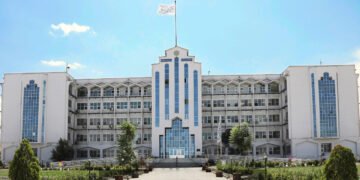
The report emphasizes that the continued closure of secondary schools and universities for girls is also threatening the future of Afghanistan’s healthcare system.
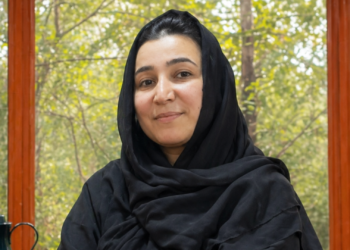
Analysts warn that a new generation of female doctors, nurses, and midwives is no longer being trained.
According to the Afghanistan Analysts Network, the health crisis worsened significantly after the sudden suspension of US aid in early 2025 and reductions in support from other international donors.
Citing the World Health Organization, the report states that 422 healthcare centers across Afghanistan have been closed as a result of the funding crisis.
At the same time, the World Bank reported that in the 2025 fiscal year, approximately 48 percent of the Taliban’s budget was allocated to security institutions, while only 2.6 percent was directed toward healthcare.
The report also notes that Taliban restrictions on women’s travel and requirements for a male guardian in some areas have further limited women’s access to treatment.
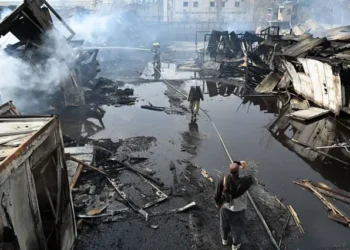
Analysts say Afghanistan is now facing a multi-layered crisis — one that extends beyond shortages of medical resources and is directly linked to educational, economic, and social policies.
Experts warn that if current trends continue, Afghanistan could face the gradual collapse of its female healthcare workforce, with severe long-term consequences for the health of women and children across the country.