
The New York Times reports that classified US intelligence assessments indicate Iran has retained a large portion of its missile capabilities and military infrastructure despite earlier claims by Donald Trump’s administration.
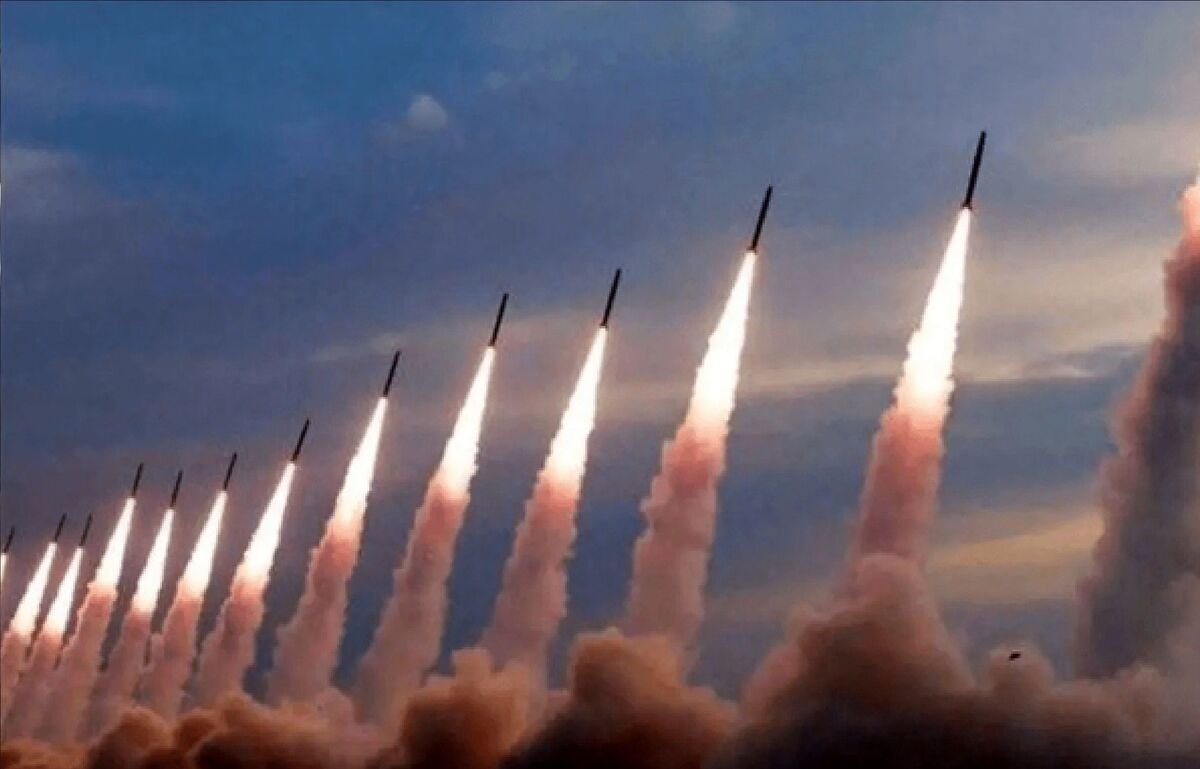
According to sources familiar with the assessments, Iran still possesses roughly 70 percent of its pre-war missile stockpiles and mobile launch platforms.
The report also states that Tehran has regained operational control over 30 of the 33 missile sites located along the Strait of Hormuz, with only three facilities reportedly remaining unusable.
The New York Times noted that the findings challenge previous claims by Trump administration officials who had described Iran’s missile infrastructure as largely destroyed.
The assessments suggest that Iran’s missile system demonstrated significant resilience, flexibility, and recovery capacity even after large-scale military strikes.
Analysts say the findings could have major implications for military and political calculations in Washington and among US allies.
According to experts, the report indicates that even extensive airstrikes were unable to fully eliminate Iran’s missile deterrence capabilities.
The assessments also highlight the strategic importance of underground facilities, dispersed launch systems, and mobile missile infrastructure in Iran’s defense doctrine.
Military analysts note that Iran’s strategy appears designed around survivability — maintaining retaliatory capabilities even after sustained attacks.
Experts further warn that the reported recovery of operational missile infrastructure could affect regional power balances and influence future negotiations, deterrence strategies, and the risk calculations of any potential future conflict in the region.
The report also raises broader questions about the limitations of airpower in neutralizing deeply embedded and decentralized military networks.