
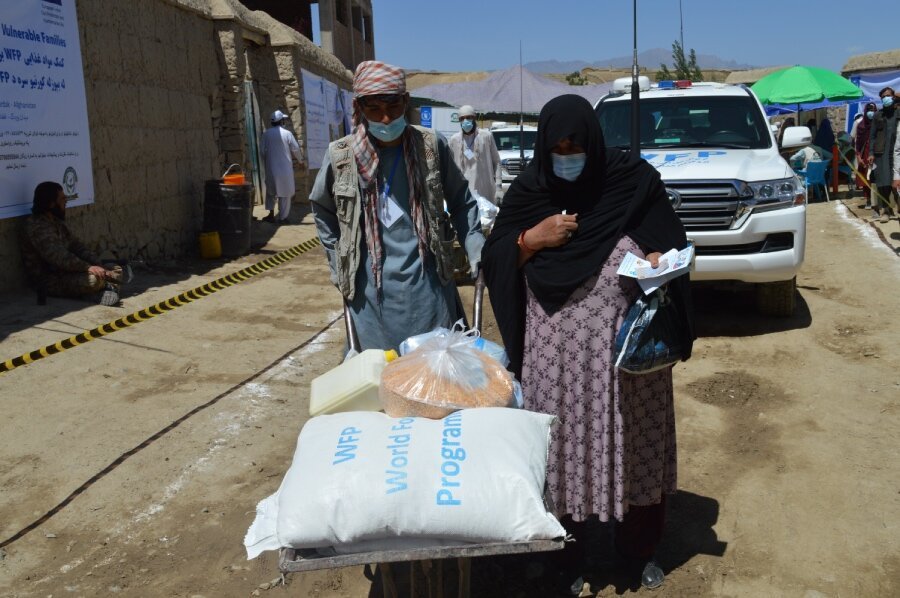
The United Nations World Food Programme (WFP) says more than 13.8 million people in Afghanistan are currently facing severe food insecurity.
The agency warned that the country’s hunger crisis continues to worsen because of regional tensions, rising food prices, and deepening economic hardship.
The UN also said nearly five million children and pregnant or breastfeeding women in Afghanistan are suffering from malnutrition.
According to the report, economic collapse, widespread unemployment, climate shocks, and growing regional instability are among the main drivers intensifying Afghanistan’s humanitarian crisis.
John Aylieff, the World Food Programme’s representative in Afghanistan, said nutritional assistance for millions of women and children is “vital.”
He stressed that “programs like nutrition support are essential, not optional.”
The UN official warned that declining stocks of specialized nutritional supplies could place hundreds of thousands of mothers and children at serious risk.
The World Food Programme also stated that many Afghan families can no longer afford enough food, and some parents are being forced to reserve their limited meals only for their children.
Analysts say the continuing economic crisis, declining international aid, and mounting pressure on household incomes have pushed Afghanistan toward one of its most severe humanitarian emergencies in recent years.
Experts warn that further reductions in humanitarian assistance could sharply increase malnutrition, deepen poverty, and accelerate the spread of humanitarian distress across different parts of the country.
They also note that when families begin prioritizing survival food distribution within households, it reflects a deeper stage of social and economic breakdown rather than a temporary food shortage alone.