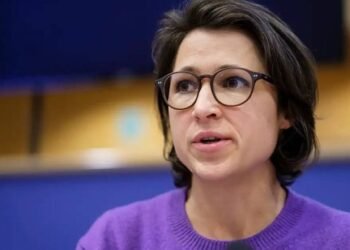

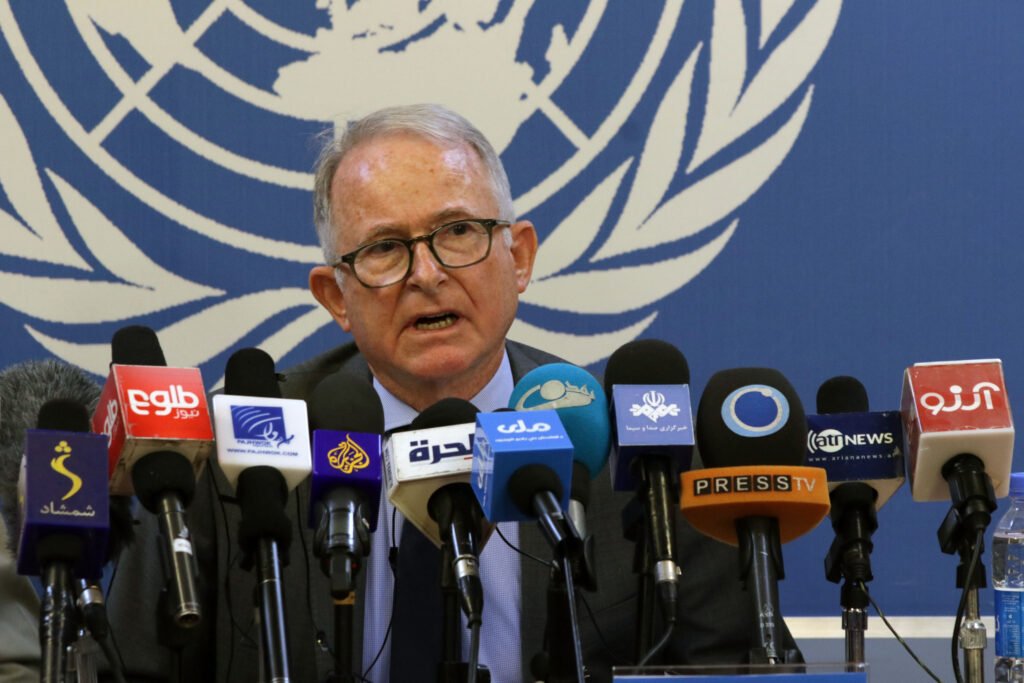
Richard Bennett, the United Nations Special Rapporteur on human rights in Afghanistan, has described the condition of women and girls in the country as “deeply concerning,” warning that widespread and systematic repression has become normalized under Taliban rule.
Speaking Monday at a conference in Geneva titled “Accountability, Truth, and Reconciliation as Foundations for Restoring Constitutional Rule in Afghanistan,” Bennett said the current situation in Afghanistan can accurately be described as “gender discrimination,” adding that Afghan women themselves see the term as reflective of their daily reality.
The UN rapporteur further warned that the ongoing repression of women and girls in Afghanistan could amount to a “crime against humanity.”
Referring to decades of war and instability, Bennett noted that many Afghans—especially those under the age of 50—have never experienced life without violence.
He also pointed to sexual violence, ethnic and religious discrimination, pressure on sexual minorities, and widespread injustice under Taliban rule.
According to Bennett, the Taliban have imposed sweeping restrictions affecting nearly every aspect of life in Afghanistan.
He stressed that no one should doubt the necessity of placing human rights at the center of Afghanistan’s future and argued that breaking cycles of violence and impunity requires accountability for human rights violations.
Bennett also called for the formal inclusion of “gender apartheid” as a crime against humanity within international legal frameworks, describing it as an important step toward closing the gap between documenting abuses and delivering justice.
The remarks come as Taliban restrictions on women’s education, employment, and public participation continue, drawing repeated criticism from international organizations and human rights advocates.
Analysts say the growing push to legally define “gender apartheid” reflects an effort to move beyond political condemnation toward creating enforceable international accountability mechanisms regarding the treatment of women in Afghanistan.