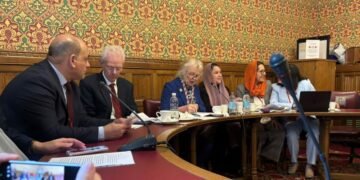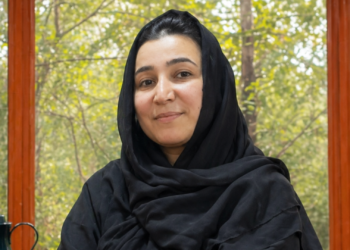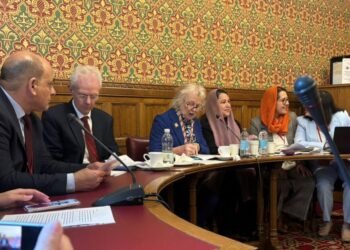

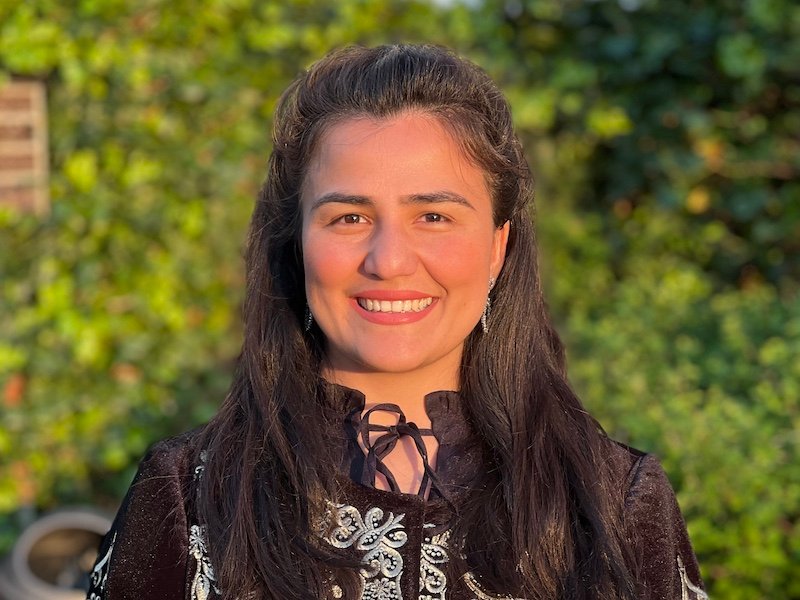
Rabia Nasimi, an Afghan-British activist and member of a Labour Party-affiliated council in London, has described the continued restrictions on women’s education and employment in Afghanistan as “painful” and “deeply regrettable.”
Speaking in a special interview, Nasimi urged Afghan families to continue supporting the education and employment of women and girls despite the current restrictive environment.
She emphasized that Afghan men should not allow women and girls to lose hope under ongoing social and political pressures.
Nasimi also said Afghan women should not abandon hope for the future, arguing that Taliban rule would not last forever and that women and girls would eventually regain their rights to education and work.
Her comments come as Taliban-imposed restrictions on women’s education and employment continue to draw widespread international criticism.
In its latest report, the United Nations warned that if the ban on women’s education continues until 2030, Afghanistan could lose around 20,000 female teachers and more than 5,000 female healthcare workers.
The UN has stressed that the consequences of these restrictions extend beyond individual rights and directly affect the future of Afghanistan’s education and healthcare systems.
Nasimi’s remarks reflect a broader effort among activists and members of the Afghan diaspora to counter growing despair and maintain social resilience at a time when many Afghan women face increasing exclusion from public life.
Analysts say such messages are aimed not only at political advocacy, but also at preserving long-term social hope in a society undergoing deep gender-based restrictions.