
The Taliban have rejected a report alleging links between members of the group and Al-Qaeda, describing the claims as “incorrect” and “propaganda.”
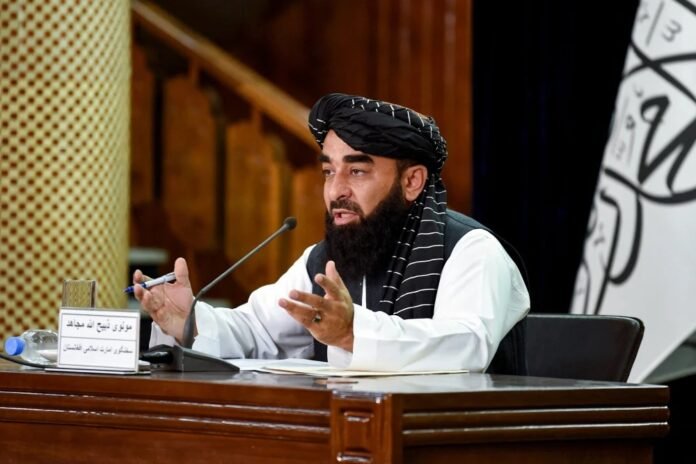
Zabihullah Mujahid, the Taliban spokesperson, said the report was intended to mislead public opinion and dismissed its findings.
The report, published by the Middle East Institute, claims that around 55 Taliban members and officials have direct or indirect ties to Al-Qaeda.
Based on a database analyzing more than 1,200 individuals, the study suggests that over 20 percent of profiles include references to militant connections or past involvement in violence.
It also notes that only a small portion of those identified are currently under international sanctions, despite many senior figures being listed.
A separate report from the Bush Center indicates that more than 130 Taliban leaders remain under sanctions.
The findings describe the Taliban leadership structure as centralized and largely composed of individuals with military backgrounds.
Despite these claims, the Taliban continue to reject such reports, framing them as part of a broader information campaign against the group.
Angle Analysis:
The issue reflects a credibility conflict, where independent تحقیقات and official denials compete, leaving unresolved questions about security risks and transparency.