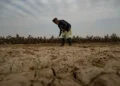

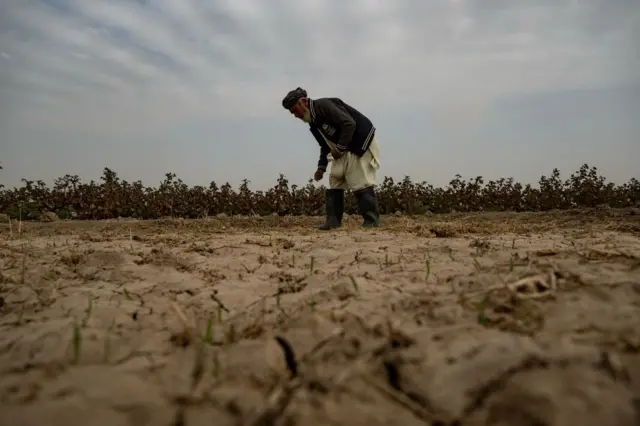
A new report by the Cheshma-Sar platform says 30 provinces across Afghanistan are facing moderate to severe drought conditions during May this year.
The report warns that sharp declines in rainfall, the depletion of snow reserves, and increasing dust storms are threatening agriculture and food security for millions of people.
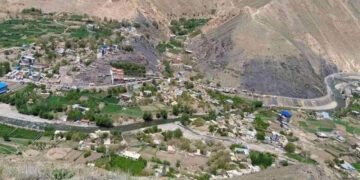
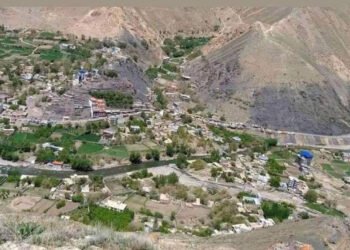
According to the platform’s data, the provinces of Badakhshan, Nuristan, Panjshir, Takhar, and Baghlan are among the most vulnerable areas due to severe rainfall deficits, early snowmelt depletion, and intense heat stress.
The report states that vegetation health indicators have reached warning levels in 10 provinces, with Badghis, Faryab, and Herat experiencing the highest pressure.
Cheshma-Sar warned that continued drought conditions in northwestern Afghanistan could significantly reduce wheat production and worsen food insecurity in the coming months.
According to the findings, Badakhshan recorded a rainfall deficit of 94 millimeters, followed by Parwan with 81 millimeters, Kunar with 79 millimeters, Panjshir with 78 millimeters, and Takhar with 70 millimeters, placing them among the driest regions in the country.
Satellite assessments show that snow reserves have nearly disappeared in 26 provinces, with only limited snowmelt remaining in parts of Takhar, Baghlan, Parwan, and Samangan.
The platform also forecasts that rainfall levels across 32 provinces will remain below 25 millimeters over the next 15 days.
In another part of the report, Cheshma-Sar said dust storm season has already begun in the provinces of Helmand, Nimroz, Kandahar, and Farah.
According to the platform, rising dust levels combined with temperatures above 35 degrees Celsius could increase respiratory diseases and agricultural damage in southern and southwestern Afghanistan.