


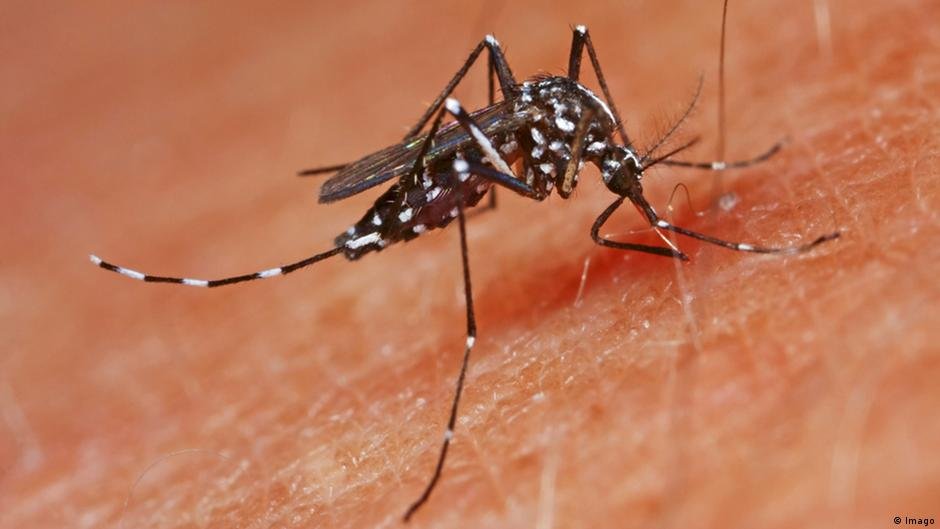
Scientists have found that some mosquito species in Southeast Asia, now capable of transmitting diseases such as malaria, were not originally attracted to human blood.
Genetic analysis shows these mosquitoes likely shifted from feeding on animals to humans between 2.9 and 1.6 million years ago.
Researchers say this period coincides with the presence of early human ancestors, including Homo erectus, in the region.
The study examined 38 mosquito cell lines from 11 species within the Anopheles leucosphyrus group, which inhabit Southeast Asian rainforests.
Some of these species are now highly specialized in feeding on human blood.
Using genetic sequencing, computational models and mutation rate estimates, scientists reconstructed the evolutionary history of these mosquitoes.
The findings provide new insights into how disease-carrying mosquitoes adapted to humans over time.