
The United Nations Assistance Mission in Afghanistan (UNAMA) says the Taliban have imposed new restrictions on religious freedom by closing at least 33 Ismaili prayer houses in Badakhshan Province and limiting Shia religious ceremonies in several parts of the country.
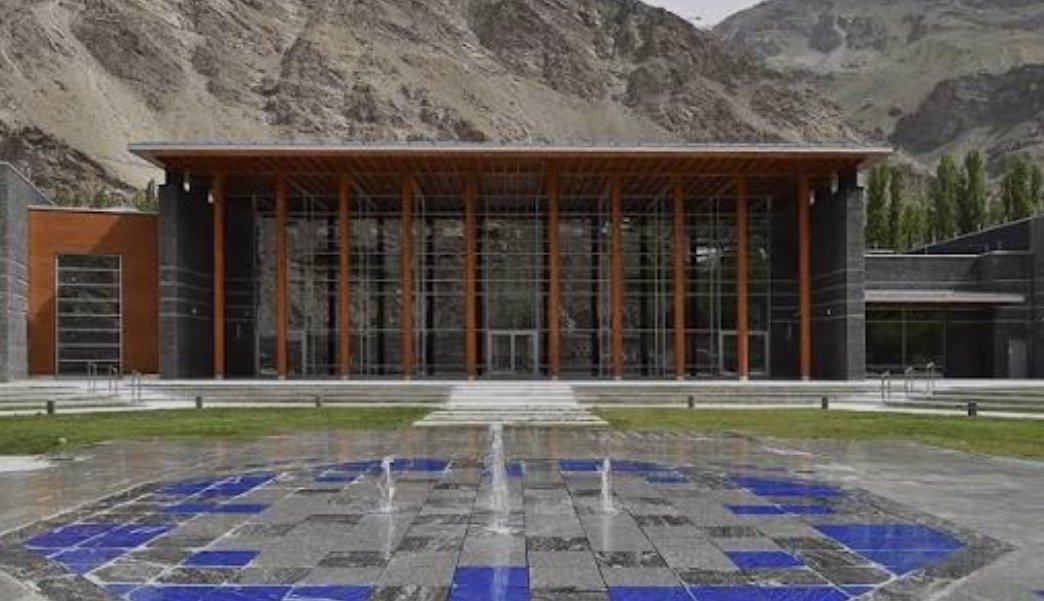
In its latest quarterly report, covering the period from April to June and released on Tuesday, UNAMA said the Taliban’s Ministry for the Promotion of Virtue and Prevention of Vice, working alongside other authorities, began closing Ismaili jamaatkhanas in Badakhshan in January and instructed members of the community not to use the buildings for worship.
According to the report, the restrictions affected 17 jamaatkhanas in Zebak district, 14 in Ishkashim district and two in Wakhan district. UNAMA said Taliban officials informed local communities that the buildings should instead be used as mosques.
The report also states that during Ashura commemorations, Taliban authorities in Parwan and Logar provinces instructed Shia communities to hold religious ceremonies only in designated mosques. UNAMA further confirmed the detention of 45 Shia men in Kabul for displaying Ashura flags.
Responding to the report, the Taliban’s Ministry of Foreign Affairs said field investigations showed that conditions differed from one location to another and that each case had been assessed individually. The ministry added that some areas lacked mosques, while certain jamaatkhanas had reportedly been used as residential buildings rather than places of worship.
Religious freedom and the rights of religious minorities have remained a recurring focus of international human rights reporting on Afghanistan since the Taliban returned to power in 2021. The Taliban have repeatedly said they respect the religious rights of all Afghans within the framework of their interpretation of Islamic law, while UN bodies and rights organizations continue to raise concerns over restrictions affecting minority communities.