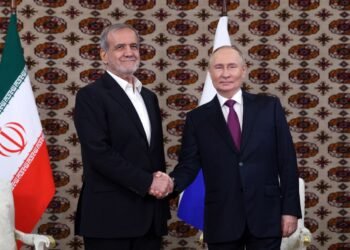

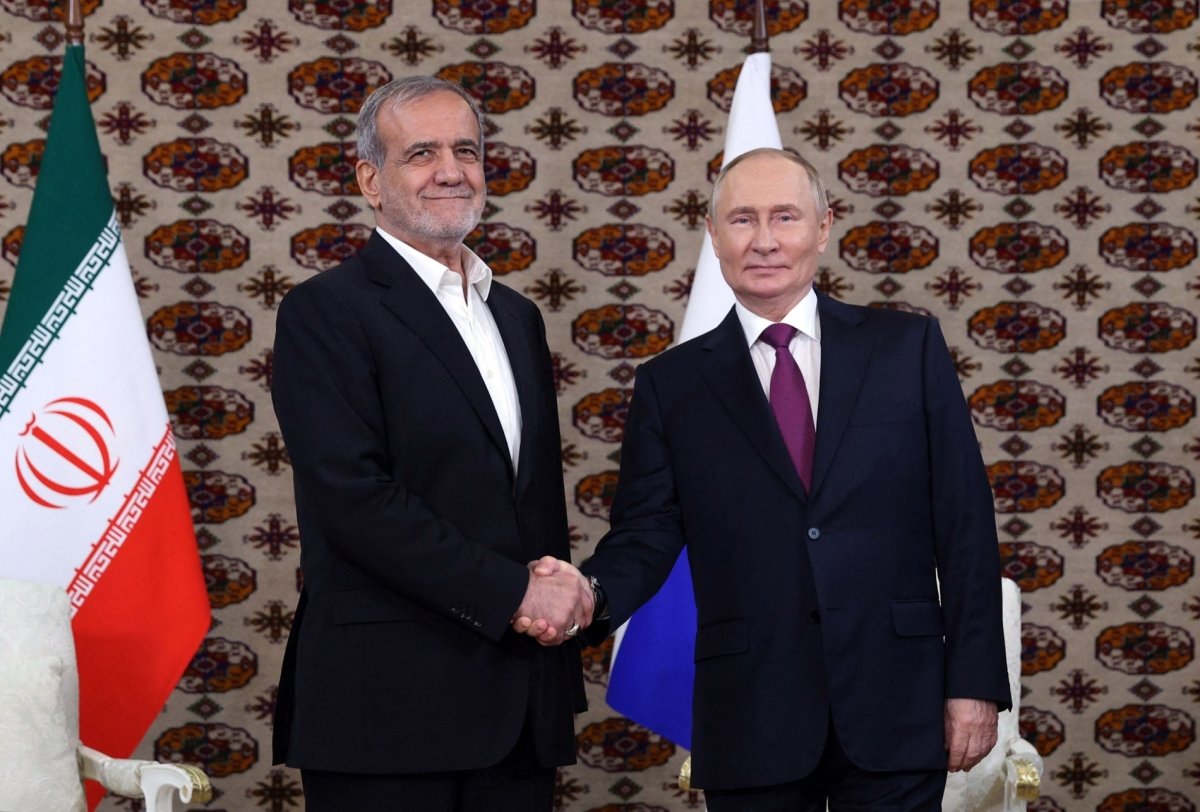
Russia has expressed its willingness to participate in the reconstruction of infrastructure damaged in Iran, a move that could further strengthen the growing strategic partnership between Moscow and Tehran while expanding cooperation in the energy and public utilities sectors.
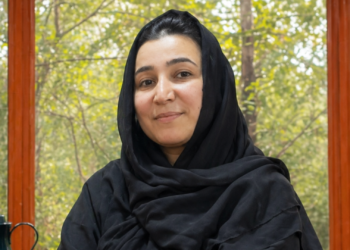
Mohammad Vali Alaeddini, head of the International Affairs Center of Iran’s Ministry of Energy, said Russian officials had informed Tehran of their readiness to assist in rebuilding critical facilities that suffered damage during the recent conflict.
According to Alaeddini, Russian Deputy Energy Minister Marshavin told Iranian officials that Moscow is prepared to contribute to reconstruction efforts, modernization projects, and the supply of equipment required to restore damaged infrastructure.
The Iranian official described the offer as significant, highlighting the technical expertise of Russian companies in the energy, electricity, and infrastructure sectors. He said Russian participation could play an important role in restoring damaged facilities and strengthening essential service networks.
Alaeddini also expressed hope that cooperation would extend beyond immediate reconstruction projects and evolve into broader partnerships in engineering, technical services, water management, electricity generation, and energy development.
The announcement comes as Iran continues assessing the impact of damage sustained by parts of its infrastructure during recent hostilities. Restoring energy facilities, power networks, and public utilities is considered a key priority for maintaining economic activity and ensuring uninterrupted services for the population.
Russia and Iran have steadily expanded their cooperation in recent years across a range of strategic sectors, including energy, transportation, trade, industrial development, and regional connectivity projects. The latest reconstruction proposal is widely viewed as another sign of increasingly close ties between the two countries.
Analysts note that infrastructure reconstruction often creates long-term economic and political partnerships because rebuilding projects typically involve years of technical cooperation, investment, equipment supply, and operational support. As a result, Moscow’s involvement could deepen its economic presence in Iran while providing Tehran with additional resources for recovery efforts.
The significance of Russia’s offer extends beyond reconstruction alone. It reflects the broader trend of growing coordination between Moscow and Tehran at a time when both countries are seeking to strengthen economic resilience and expand strategic cooperation despite ongoing geopolitical pressures.
For Iran, restoring critical infrastructure is essential for economic recovery, industrial production, and public service delivery. For Russia, participation in major reconstruction projects offers an opportunity to expand commercial ties and reinforce its role as a strategic partner in one of the Middle East’s most important regional powers.
Whether the discussions lead to concrete agreements remains to be seen, but the announcement suggests that infrastructure development and energy cooperation are likely to become increasingly important pillars of the evolving relationship between Moscow and Tehran in the years ahead.