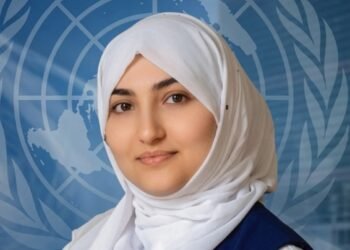

Richard Bennett, the United Nations Special Rapporteur on the situation of human rights in Afghanistan, says his office has confirmed cases of sexual violence allegedly committed by Taliban officials, primarily inside detention facilities, with women, girls, men, and boys among the reported victims.
Speaking to Afghanistan International on Thursday, Bennett said the latest report by the UN Secretary-General reflects only a limited portion of the reality on the ground and warned that the actual scale of sexual violence in Afghanistan could be significantly greater than documented cases suggest.
According to Bennett, many victims never report their experiences because they fear social stigma, retaliation, security threats, and the consequences of speaking publicly about abuses.
“What appears in official reports is only part of the reality, and the true number of victims is likely much higher than available figures suggest,” Bennett said.
His remarks follow a recent report presented to the United Nations Security Council, which stated that the United Nations Assistance Mission in Afghanistan (UNAMA) documented at least 21 cases of conflict-related sexual violence during 2025, including alleged gang rapes involving 15 women and six girls.
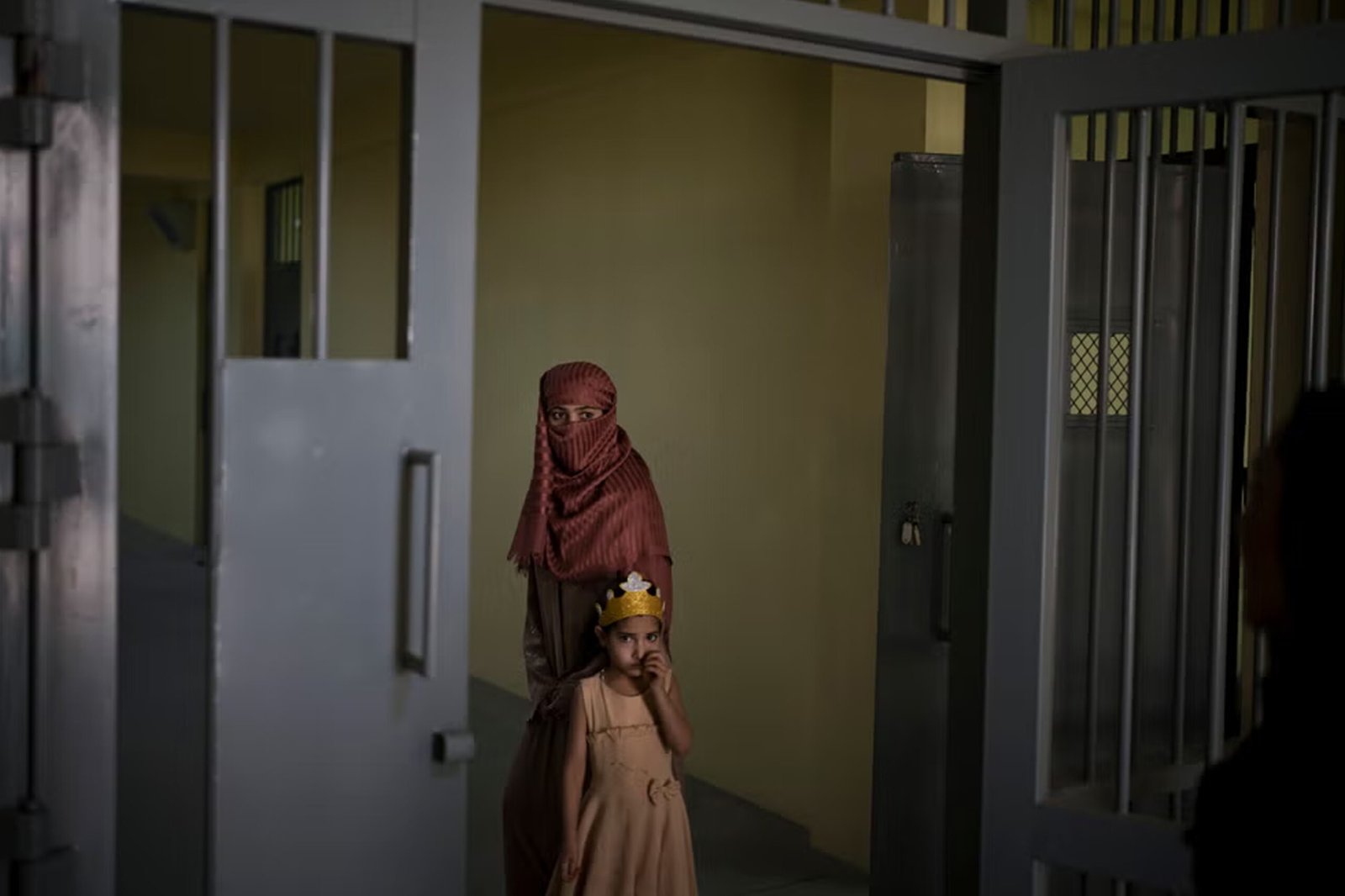
The report also indicated that some women detained for participating in protests against Taliban policies were allegedly subjected to torture, mistreatment, and sexual violence while in custody.
Bennett said Taliban authorities have, in certain cases, prevented victims from speaking with human rights investigators or providing information about conditions inside detention centers.
He also highlighted the challenges facing investigators, noting that limited financial and human resources have restricted the ability of his office to examine every allegation. Nevertheless, he said documentation efforts remain ongoing.
The Taliban have consistently rejected allegations of torture, abuse, and sexual violence. Taliban spokesman Zabihullah Mujahid previously told Afghanistan International that reports describing mistreatment inside Taliban detention facilities are false and that abuse of prisoners is prohibited under the group’s regulations.
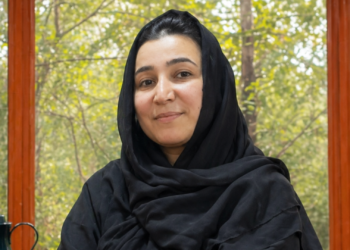
Former detainees and women’s rights activists, however, have provided accounts that differ sharply from official Taliban statements. Zarifa Yaqoubi, a women’s rights activist and former Taliban detainee, has said she and others experienced various forms of mistreatment, coercive interrogations, and psychological trauma while in detention.
Bennett stressed that discussions about sexual violence in Afghanistan should not focus exclusively on women and girls. He argued that male victims and children also require protection, recognition, and access to justice, calling for greater international attention to all survivors regardless of gender or age.
NIMRUZ ANGLE
Bennett’s remarks highlight one of the most difficult aspects of documenting human rights violations: the gap between reported cases and actual incidents. In environments where fear, stigma, and restrictions on independent monitoring are widespread, documented abuses often represent only a fraction of the experiences endured by victims. The challenge for investigators is not only gathering evidence but also creating conditions in which survivors can safely come forward.
FINAL ANALYSIS
The allegations outlined by Bennett underscore continuing concerns about detention conditions, accountability, and human rights protections in Afghanistan. While the Taliban deny the accusations, the existence of documented cases, survivor testimonies, and ongoing UN investigations suggests that the issue remains a significant area of international scrutiny. The long-term significance of these findings will depend on whether independent investigations can continue, whether victims can safely testify, and whether mechanisms for accountability and justice become available. As Afghanistan remains under close observation by the United Nations and human rights organizations, the treatment of detainees is likely to remain a central issue in international assessments of the country’s human rights situation.