
Pakistani security officials have dismissed the military significance of a recently signed defense cooperation agreement between Russia and the Taliban, arguing that the deal will not substantially improve the Taliban’s military capabilities or deter potential Pakistani military operations inside Afghanistan.
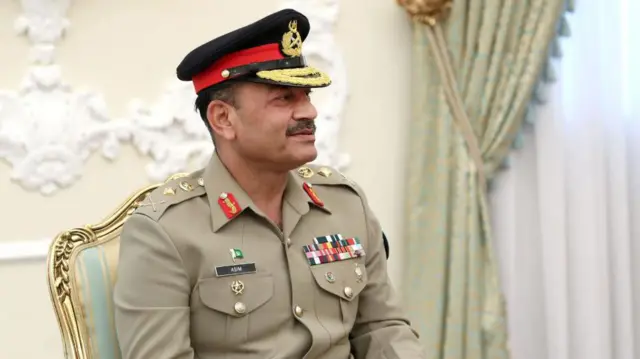
Speaking to Nikkei Asia on condition of anonymity, a Pakistani security official said the agreement signed between Moscow and the Taliban would not elevate the group’s military capacity to a level capable of preventing future Pakistani airstrikes against what Islamabad describes as terrorist infrastructure operating from Afghan territory.
The agreement was signed in Moscow on May 27 during a meeting attended by Sergei Shoigu, Secretary of Russia’s Security Council, and Taliban Defense Minister Mullah Mohammad Yaqoob Mujahid.
According to information released by both sides, the deal primarily focuses on the repair, restoration, and maintenance of Russian-made military equipment already present in Afghanistan. Much of this equipment dates back to the Soviet era and requires refurbishment, spare parts, and technical support.
Russia’s Special Representative for Afghanistan, Zamir Kabulov, previously stated that the agreement is largely limited to restoring existing equipment and does not include major arms transfers or the delivery of advanced military technology.
The Pakistani comments come after Mullah Yaqoob suggested following his return from Moscow that implementation of the agreement would strengthen Afghanistan’s defense capabilities to the point where Pakistan would no longer dare conduct military operations inside Afghan territory.
Pakistani security officials have rejected that assessment, insisting that the agreement does not alter Islamabad’s military calculations or operational planning.
Relations between Pakistan and the Taliban administration have deteriorated significantly since the Taliban returned to power in 2021. Islamabad has repeatedly accused the Taliban of allowing members of Tehrik-i-Taliban Pakistan (TTP) to operate from Afghan territory, an allegation Taliban officials consistently deny.
In recent years, Pakistan has carried out multiple cross-border airstrikes targeting locations inside Afghanistan that it claims were linked to militant groups. Those operations triggered strong reactions from Taliban authorities, further deepening tensions between the two sides.
Both governments continue to blame each other for instability and insecurity along the Afghanistan-Pakistan border, making security cooperation increasingly difficult despite diplomatic contacts.
NIMRUZ ANGLE
The disagreement over the Russia-Taliban agreement reflects a broader contest over perceptions of power and deterrence in the region. While Taliban leaders portray the deal as evidence of growing military partnerships and international engagement, Pakistan views it as a limited technical arrangement that does not change the strategic balance. The contrasting narratives reveal how both sides are attempting to shape regional perceptions amid escalating tensions.
FINAL ANALYSIS
The immediate military impact of the Russia-Taliban agreement appears limited based on publicly available information. However, its political significance may be greater than its technical value. For the Taliban, the agreement represents another step toward expanding international defense relationships and reducing diplomatic isolation. For Pakistan, the priority remains the perceived threat posed by the TTP rather than the refurbishment of Soviet-era equipment. As tensions between Kabul and Islamabad continue, the broader strategic relationship between Russia, the Taliban, and regional security actors will remain under close scrutiny.