
Associated Press has reported that Afghanistan shifted much of its trade and supply routes toward Iran after border crossings with Pakistan were closed, but growing tensions around the Strait of Hormuz are now creating serious new challenges for Afghan commerce and humanitarian aid deliveries.
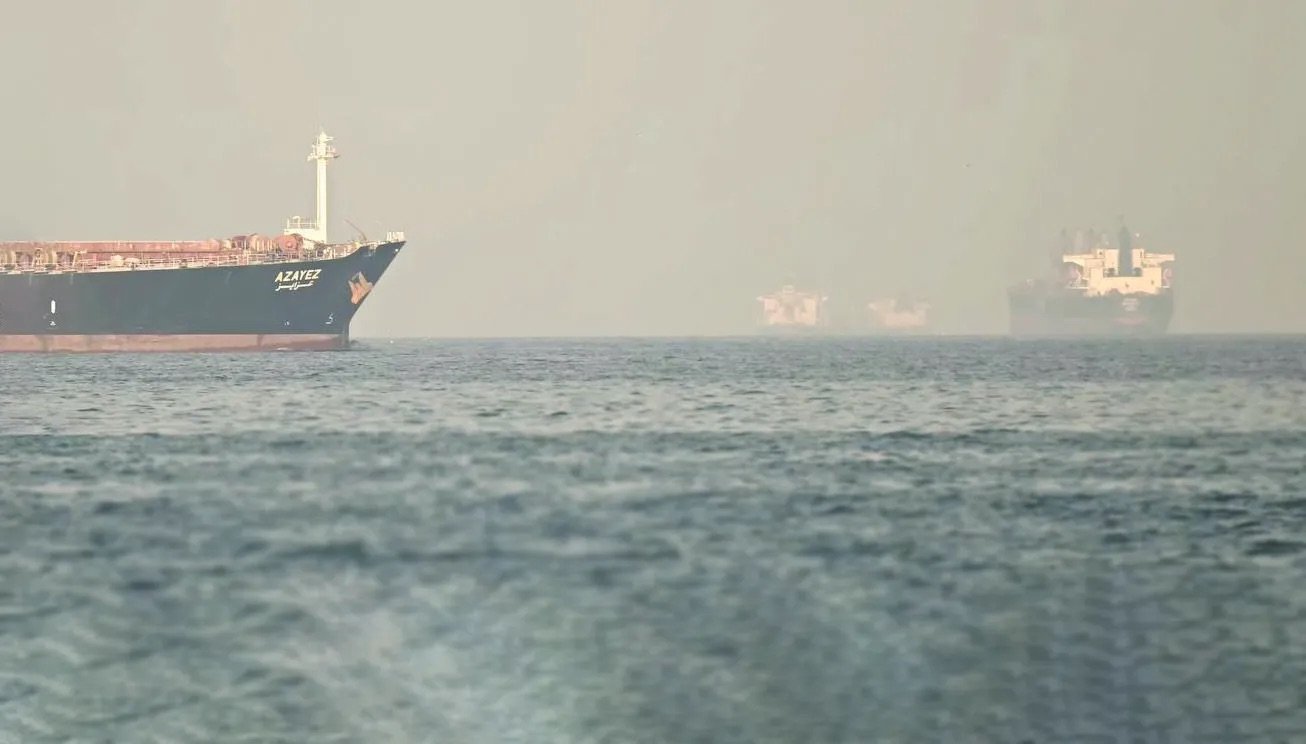
According to the report, Afghanistan had increasingly relied on Iran’s Bandar Abbas port as an alternative to Pakistan’s Karachi port. However, disruptions in the Strait of Hormuz have halted hundreds of ships and stranded thousands of crew members, severely affecting the movement of goods.
At the same time, thousands of Afghan-bound containers also remain stuck inside Pakistan.
The United Nations World Food Programme has warned that transportation costs have sharply increased while aid delivery routes have become more limited.
The agency said that most specialized food supplies for treating malnutrition had previously entered Afghanistan through Pakistan, but after border closures, shipments were rerouted through Iran — a route now also facing major disruptions.
John Aylieff, head of the World Food Programme in Afghanistan, warned that rising malnutrition levels are creating a severe humanitarian emergency.
“At a time when malnutrition is reaching nearly unprecedented levels, weak mothers and children are being turned away from clinics because we have no food to distribute,” he said.
According to the report, some United Nations aid shipments have remained delayed for months while container transportation costs have multiplied several times.
Lotfullah Akbari, an Afghan trader, said his goods from China are trapped aboard ships unable to pass through the Strait of Hormuz.
“The Iran-US conflict has had a huge impact on my business,” he said.
Gol Mir Amini, director of a transportation company, also said the cost of moving a single container has increased from around $3,000 to more than $7,000, and in some cases has exceeded $11,000.
Several Afghan traders warned that if the situation continues, the country’s trade sector could face a much broader crisis.
Meanwhile, Taliban officials say a significant portion of Afghanistan’s trade is now moving through Central Asia while authorities wait for a solution that could restore normal import and export routes.