
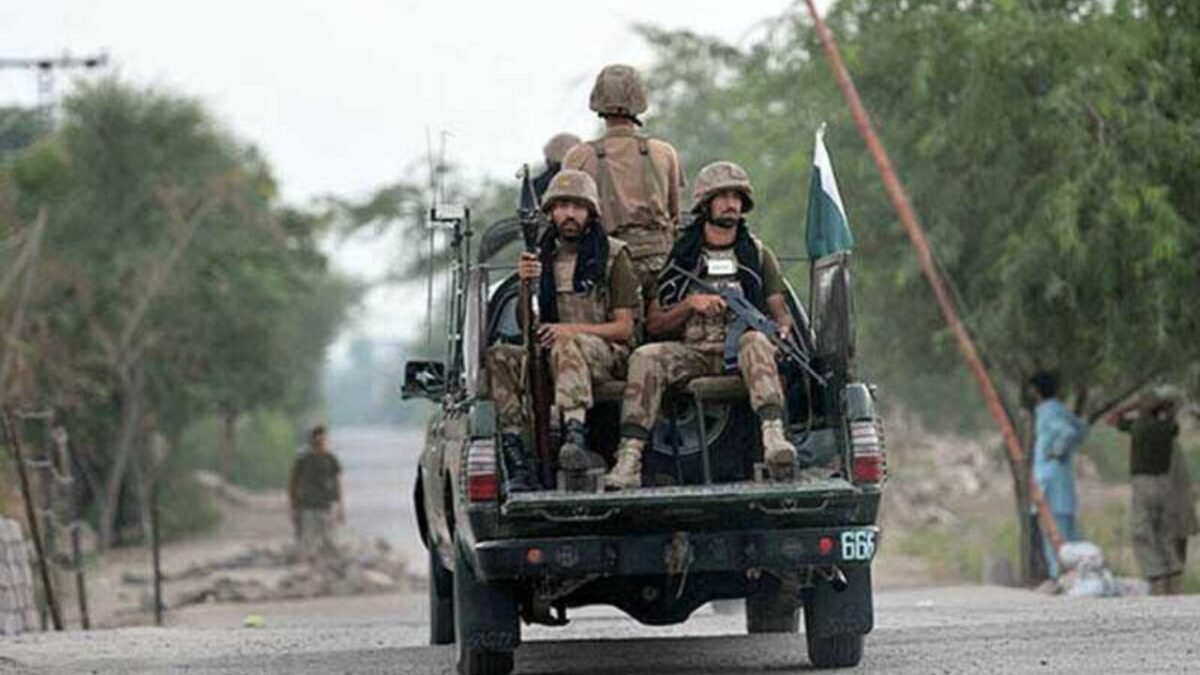
Pakistani media have reported that at least five militants, including a senior Tehrik-i-Taliban Pakistan (TTP) commander known as “Kharji Umar,” were killed during a security operation in North Waziristan.
According to the Pakistani newspaper Dawn, citing security sources, the commander — also known as Tor Saqib — had been involved in attacks against both security forces and civilians.
The report stated that the TTP commander had established a network of underground hideouts, tunnels, and explosive traps around the Bobali Mosque area in Spinwam, North Waziristan.
Pakistan’s Interior Minister Mohsin Naqvi described the killing as a “major success” and praised the country’s security forces.
He said that “terrorists and their supporters will not be allowed to grow under any circumstances” and stressed that counterterrorism operations in Pakistan would continue.
Reports indicate that Pakistani authorities had previously announced a reward of three million Pakistani rupees for information leading to the elimination of the TTP commander.
Earlier this week, Pakistan’s military media wing also announced that security forces had killed 22 “Indian-backed terrorists” in North Waziristan.
According to the Pakistani military, clearance operations in parts of North Waziristan have continued since May 16, with the stated objective of dismantling TTP safe havens.
North Waziristan has long been considered one of the main centers of anti-government militant activity in Pakistan, and the army has repeatedly launched major operations in the region over the years.
Analysts say the latest operation reflects Islamabad’s effort to demonstrate that it is regaining control over insurgent strongholds in tribal areas near the Afghan border.
Security experts note that the discovery of underground infrastructure and defensive networks suggests that TTP militants continue to maintain organized operational capabilities despite years of military pressure.
Observers also say Pakistan’s repeated references to “Indian-backed militants” highlight how the country increasingly links domestic militancy to broader regional rivalries with India.
At the same time, the continuation of large-scale operations indicates that insurgent activity in the region remains an ongoing security challenge for Islamabad.