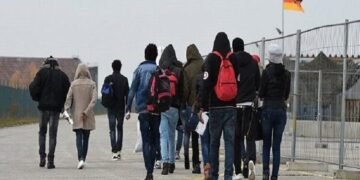

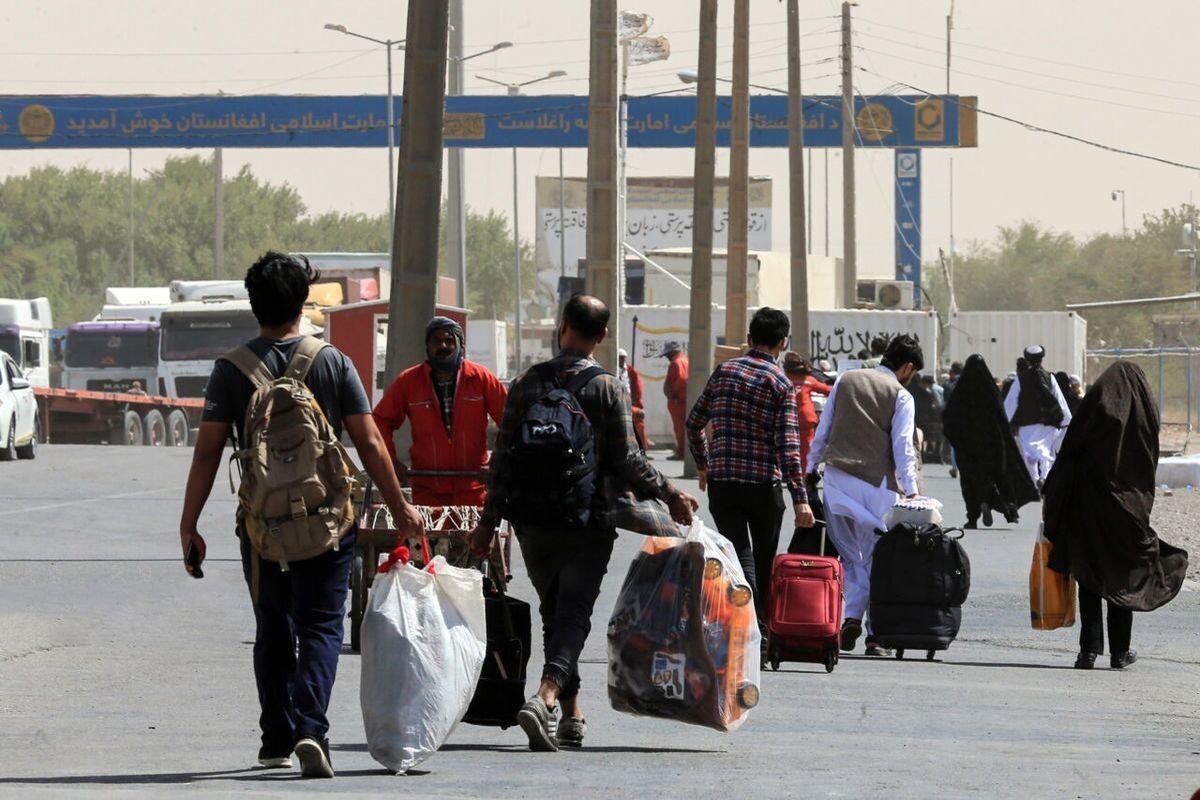
The United Nations and humanitarian agencies have launched a $529 million response plan aimed at supporting Afghan migrants returning from Iran and Pakistan amid a rapidly growing displacement crisis.
According to UN figures released this week, nearly six million Afghans have returned to the country since 2023, with another three million expected to return before the end of 2026.
UN officials said between April and December 2026 alone, around 1.7 million people are expected to arrive from Iran, while another 1.1 million are projected to return from Pakistan.
Aid agencies warn that the scale of returns is placing unprecedented pressure on Afghanistan’s fragile economy, public services, and social infrastructure.
“The crisis is no longer a short-term border issue,” UN officials said, describing the situation as a deepening humanitarian and development emergency for Afghanistan.
Humanitarian organizations said women and children make up more than half of the returnees, many of whom grew up outside Afghanistan and have limited familiarity with living conditions inside the country.
Under the first phase of the plan, approximately $100.7 million has been allocated for emergency assistance at border crossings.
The funding will support healthcare services, nutrition programs, social protection, water and sanitation services, and emergency cash assistance.
A second phase worth more than $428 million is aimed at helping returnees reintegrate into 35 priority areas across Afghanistan.
That stage includes employment programs, access to education and healthcare, housing support, and measures designed to strengthen social cohesion in host communities.
Aid organizations, however, warn that severe funding shortages could undermine the operation.
According to humanitarian officials, current resources are only sufficient to cover a fraction of vulnerable returnees while humanitarian needs continue to expand far beyond available funding.
The United Nations and partner agencies have called on donor countries to fully finance the program to prevent a further deterioration of Afghanistan’s humanitarian crisis.