
Local sources in Badakhshan say internal Taliban tensions over control of gold mines have entered a new phase, as the group continues a broad security operation targeting individuals linked to influential Taliban commanders.
According to the sources, Khalid — the nephew of Taliban governor Amanuddin Mansoor in Helmand — Musa Kaka, a commander close to Juma Khan Fateh, deputy Taliban governor in Zabul, and the brother-in-law of the Taliban governor in Farah are among those detained.
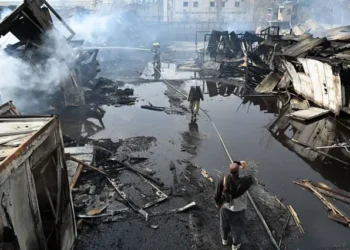
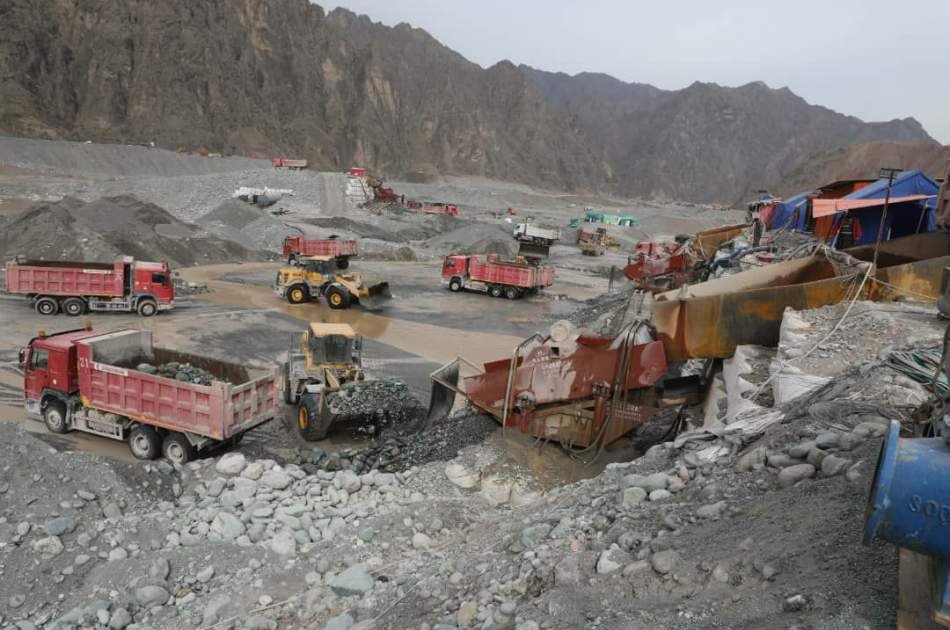
Sources also stated that Taliban forces destroyed gold-processing workshops allegedly linked to Amanuddin Mansoor.
Some of the facilities were reportedly operating in cooperation with Chinese citizens.
According to local information, three Chinese nationals had earlier been detained for lacking legal mining permits.
Taliban sources say disputes over control of gold mines in the districts of Shaki, Nesi, and Shughnan have intensified sharply.
In response, Taliban leadership reportedly deployed a special force of around 1,000 fighters to Badakhshan in an effort to control local commanders and secure mining areas.
The operation is said to be supervised by Ismail Ghaznawi, the Taliban governor of Badakhshan.
Sources have warned of the possibility of violent clashes between Taliban forces sent from the center and fighters loyal to local commanders.
At the same time, reports indicate that Abdul Fattah, brother of Juma Fateh, fled the area with dozens of his fighters after the operation began.
The Taliban governor in Badakhshan had recently warned residents of mining districts that no extraction or gold-processing activities would be allowed without official permits and announced that around 2,000 “illegal” mines had been shut down.
However, local sources say arrests and destruction of mining equipment are continuing, and at least 15 people have reportedly been detained so far.
The developments suggest that Afghanistan’s mineral resources — especially gold mines in Badakhshan — have become one of the most sensitive areas of internal competition within the Taliban.
Analysts say Taliban authorities are attempting to centralize control over mining revenues, while local commanders and faction-linked networks are fighting to preserve independent sources of income and influence.
Observers note that the involvement of powerful Taliban figures and Chinese nationals highlights the economic and political complexity of the crisis, showing how competition over natural resources is becoming one of the Taliban’s most serious internal challenges.