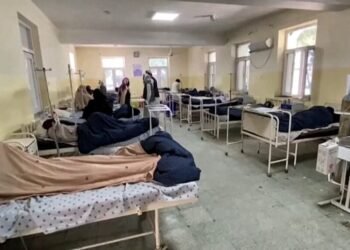

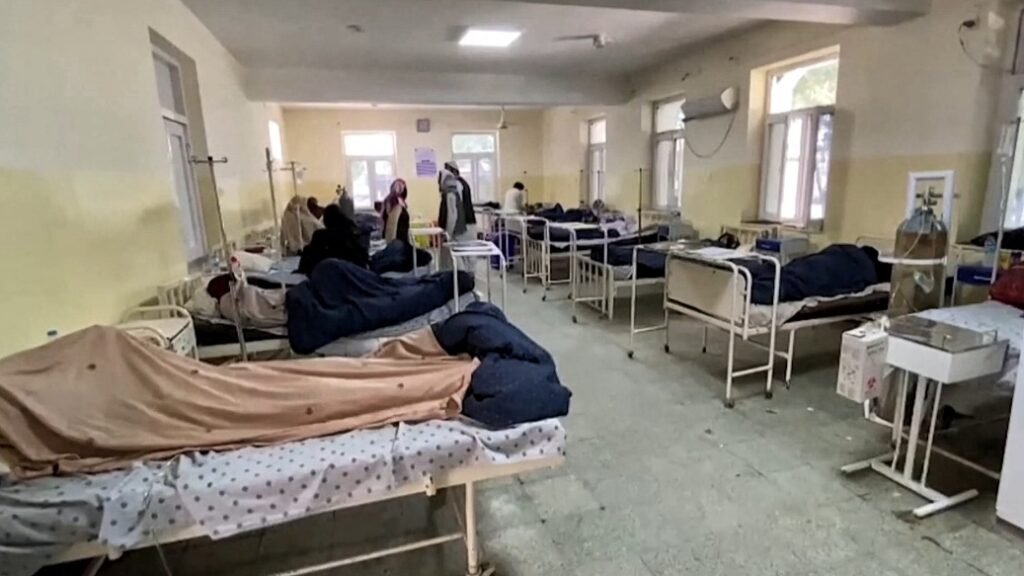
The World Health Organization has reported an increase in infectious diseases across Afghanistan in March 2026, alongside declining access to healthcare services in some regions.
According to the report, malaria cases rose by 25 percent, while cases of Crimean-Congo hemorrhagic fever increased by nearly 60 percent, resulting in six recorded deaths.
Measles cases reached 2,395 with 11 deaths, although this represents a slight decrease compared to the previous month. Severe acute watery diarrhea cases also rose, reflecting ongoing public health challenges.
In contrast, pneumonia cases declined by 33 percent during the same period.
The WHO said it distributed more than 200 health kits, benefiting approximately 810,000 people.
Natural disasters have further complicated the situation, with flooding displacing over 4,600 families and damaging healthcare facilities.
Mobile health teams have been deployed to assist affected areas, but access remains uneven.
Angle Analysis:
The data points to a dual crisis—rising بیماریها alongside weakened healthcare delivery—where environmental shocks and limited infrastructure amplify vulnerability across the population.