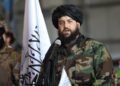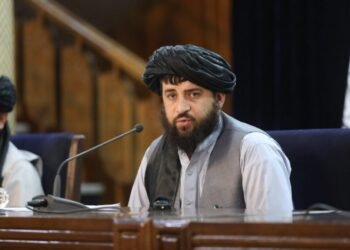

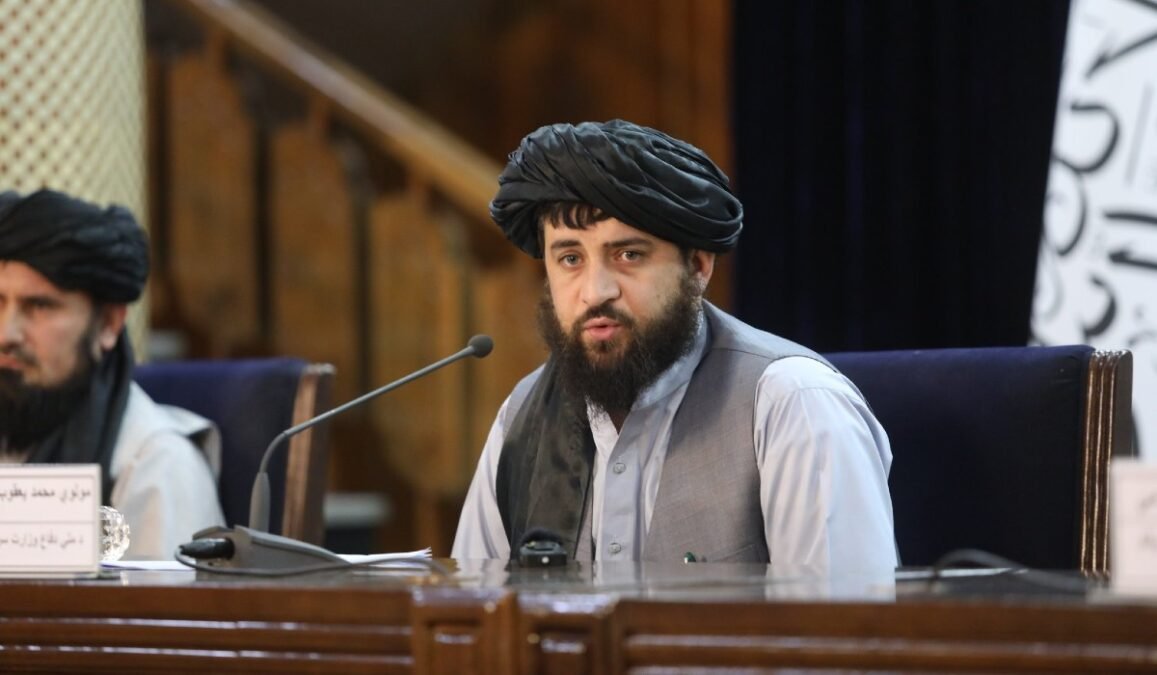
Mullah Mohammad Yaqoob, the Taliban’s defense minister and son of Mullah Omar, now finds himself at the center of a debate that highlights the growing gap between the Taliban’s historical narrative and its current foreign policy. A movement that once built its legitimacy on resistance to Soviet influence is now expanding its ties with Moscow.
Mullah Mohammad Yaqoob, the Taliban’s defense minister and son of the group’s founder Mullah Omar, now stands at the center of a debate highlighting the contrast between the Taliban’s historical narrative and its current foreign policy.
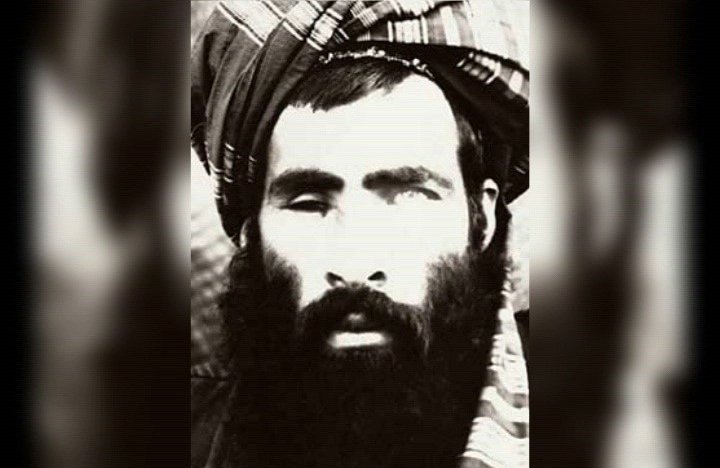
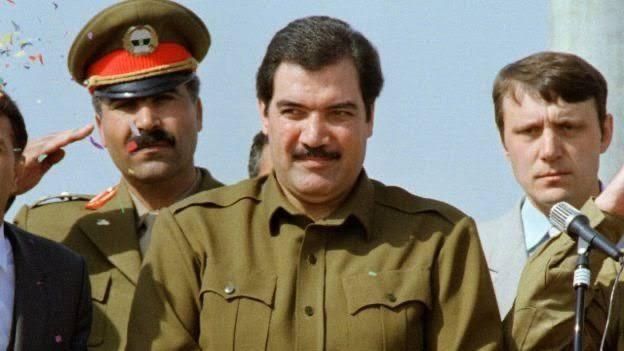
For decades, the Taliban built part of their legitimacy on opposition to Soviet influence and portrayed the government of former President Najibullah as a Soviet-backed administration. Najibullah’s death became one of the most symbolic moments in that narrative.
Today, however, the Taliban are expanding political and diplomatic ties with Russia, raising questions about the gap between past rhetoric and present policy.
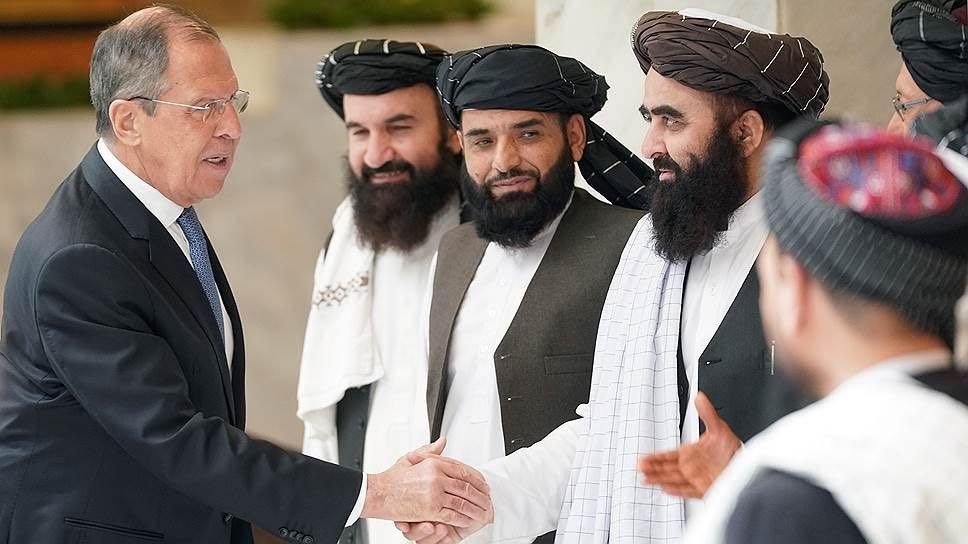
Critics argue that if engagement with Moscow is acceptable today, the Taliban must explain how that position aligns with decades of anti-Soviet messaging that helped shape the movement’s identity.
The core issue is not simply the Taliban’s relationship with Russia. It is the contradiction between decades of anti-Soviet rhetoric and today’s diplomatic engagement with Moscow. Critics argue that this shift raises difficult questions about the movement’s identity, consistency, and political credibility.