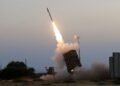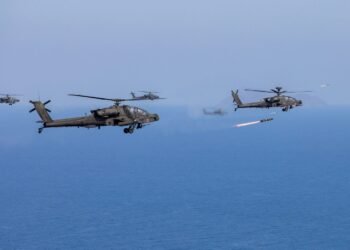

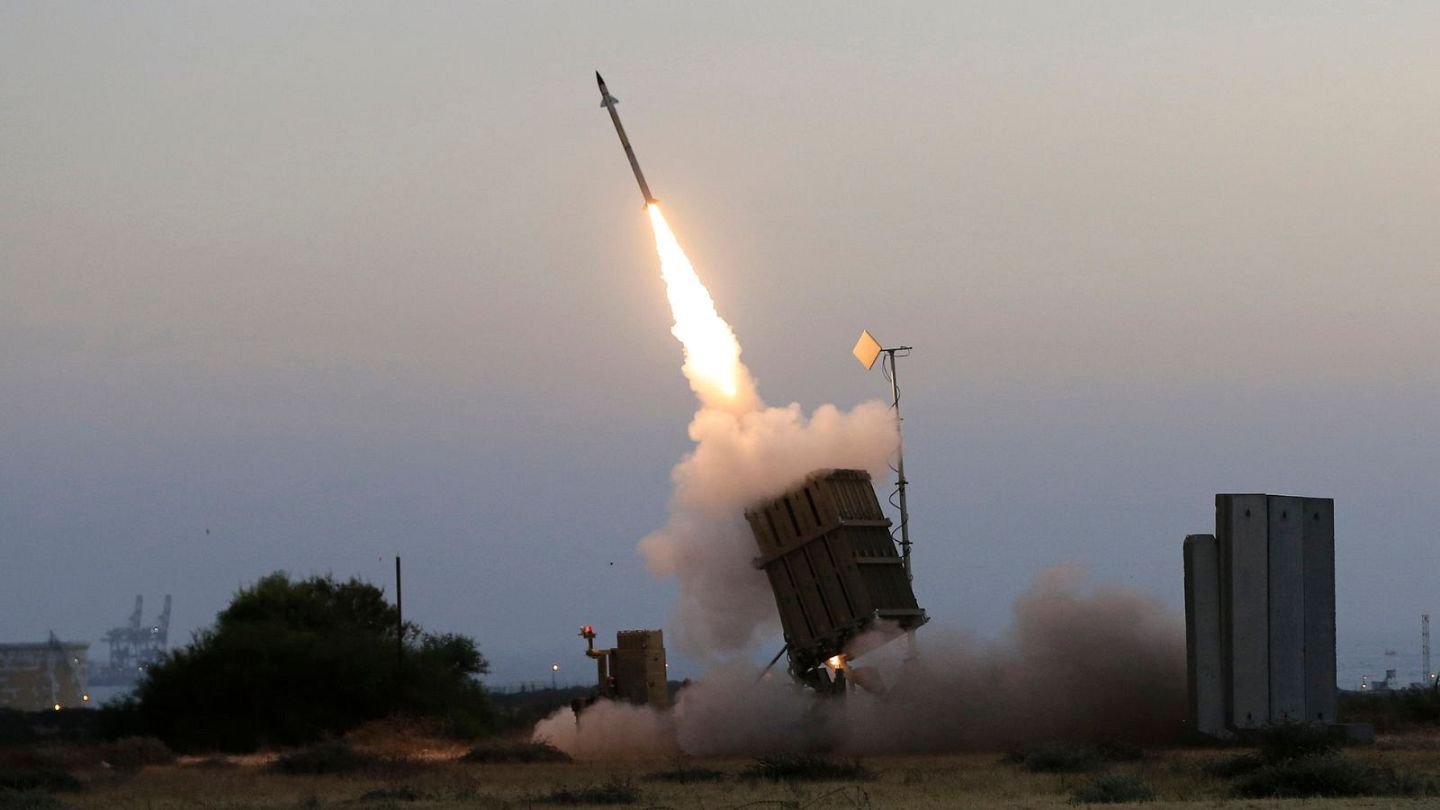
The Israeli military has confirmed that United States forces participated in efforts to intercept missiles launched from Iran, highlighting the close military coordination between Washington and Tel Aviv during the latest escalation in regional tensions.
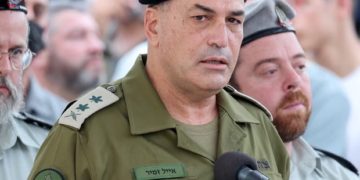
Speaking at a press briefing, Israeli military spokesman Effie Defrin said the United States Central Command (CENTCOM) played a direct role in defensive operations carried out during recent missile attacks.
“We coordinated with CENTCOM, including in the defensive domain. They participated in the interceptions yesterday,” Defrin said.
His comments provide one of the clearest public acknowledgments from Israel regarding US involvement in defending against incoming missile threats during the latest confrontation with Iran.
Defrin also accused Tehran of violating a two-month ceasefire by launching missiles toward Israeli territory. According to the Israeli military, Iran used Israel’s recent strike in Beirut’s southern suburbs as a justification for its actions.
Israeli officials argue that the missile launches marked a significant escalation and represented a breach of the fragile calm that had largely held since the previous round of regional hostilities.
The spokesman further suggested that Iran’s actions may reflect difficulties in its diplomatic efforts with the United States. He claimed Tehran could be attempting to buy time or reshape the political and security environment while broader negotiations continue.
Although Defrin did not provide evidence to support that assessment, his remarks underscore Israel’s view that military developments and diplomatic negotiations are increasingly interconnected.
The latest statements come as tensions between Iran and Israel have risen sharply in recent days. Both sides have exchanged accusations and continue to blame each other for triggering the newest cycle of confrontation.
The involvement of CENTCOM is particularly significant because it demonstrates the extent of military cooperation between Israel and the United States at a time when regional security concerns remain elevated. American support in missile defense operations has long been considered a critical element of Israel’s security architecture, particularly during periods of heightened conflict.
Iranian authorities had not issued an official response to Defrin’s latest comments at the time of publication. Tehran has previously defended its military actions as responses to what it describes as Israeli aggression and violations of regional sovereignty.
As diplomatic efforts continue alongside military tensions, the situation remains highly volatile. Analysts warn that continued exchanges between Iran and Israel could increase the risk of a broader regional confrontation involving additional actors and further international involvement.
The latest developments also highlight the growing role of external powers in Middle Eastern security affairs, with Washington’s participation in defensive operations demonstrating how rapidly regional conflicts can acquire international dimensions.