
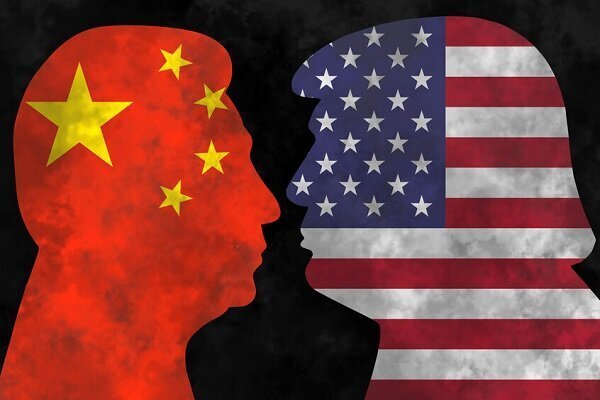
The United States and China have separately called on Iran and Israel to immediately halt their attacks and prevent the current crisis from escalating into a wider regional conflict.
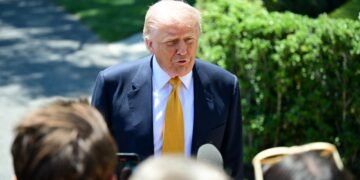
US President Donald Trump urged both sides to stop targeting one another and return to restraint, warning that continued military exchanges could further destabilize an already volatile Middle East.
In a message posted on Truth Social, Trump said both Iran and Israel should immediately end their attacks and avoid actions that could deepen the crisis. He stressed that further escalation could trigger dangerous consequences not only for the countries directly involved but also for the wider region.
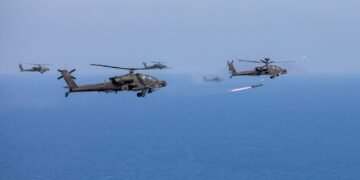
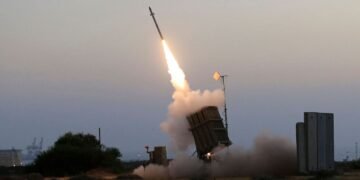
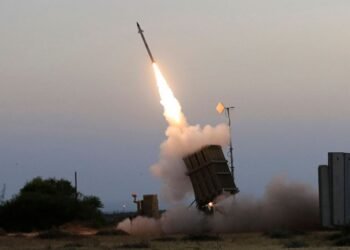
The appeal came as military exchanges between Tehran and Tel Aviv continued throughout the day, with reports of new strikes and counterstrikes fueling concerns about the possibility of a broader confrontation.
At the same time, China’s Ministry of Foreign Affairs expressed concern over the deteriorating security situation and urged both parties to cease hostilities and adhere to a ceasefire.
Beijing warned that continued fighting could seriously threaten regional stability and produce significant political, security, and economic consequences. Chinese officials emphasized the importance of de-escalation and dialogue to prevent the conflict from spreading further.
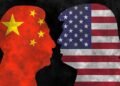
The parallel statements from Washington and Beijing are notable given the deep strategic competition between the world’s two largest powers. Despite major disagreements on issues ranging from trade and technology to security and global influence, both governments appear aligned on the need to prevent a wider war in the Middle East.
International concern has intensified in recent days as missile attacks, air strikes, and military threats between Iran and Israel have raised fears that the conflict could expand beyond the two countries and draw additional regional actors into the confrontation.
Analysts warn that a prolonged conflict could have consequences far beyond the battlefield. The Middle East remains a critical hub for global energy supplies, international shipping routes, and geopolitical stability. Any significant escalation could affect oil markets, maritime security, and diplomatic relations across multiple regions.
The latest calls from the United States and China reflect growing international pressure on both Tehran and Tel Aviv to avoid further escalation and seek diplomatic solutions before the crisis develops into a larger regional war.
As of publication, neither Iran nor Israel had issued a new official response to the appeals made by Washington and Beijing. However, the continuation of military operations suggests that diplomatic efforts still face significant challenges.
The coming days may prove critical in determining whether international pressure can help contain the conflict or whether the region moves closer to a broader and more dangerous confrontation.