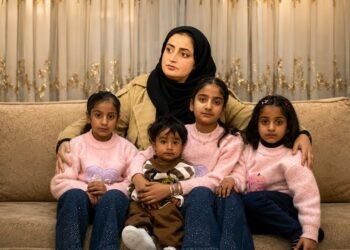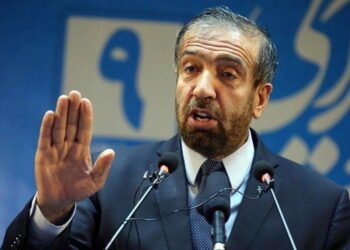

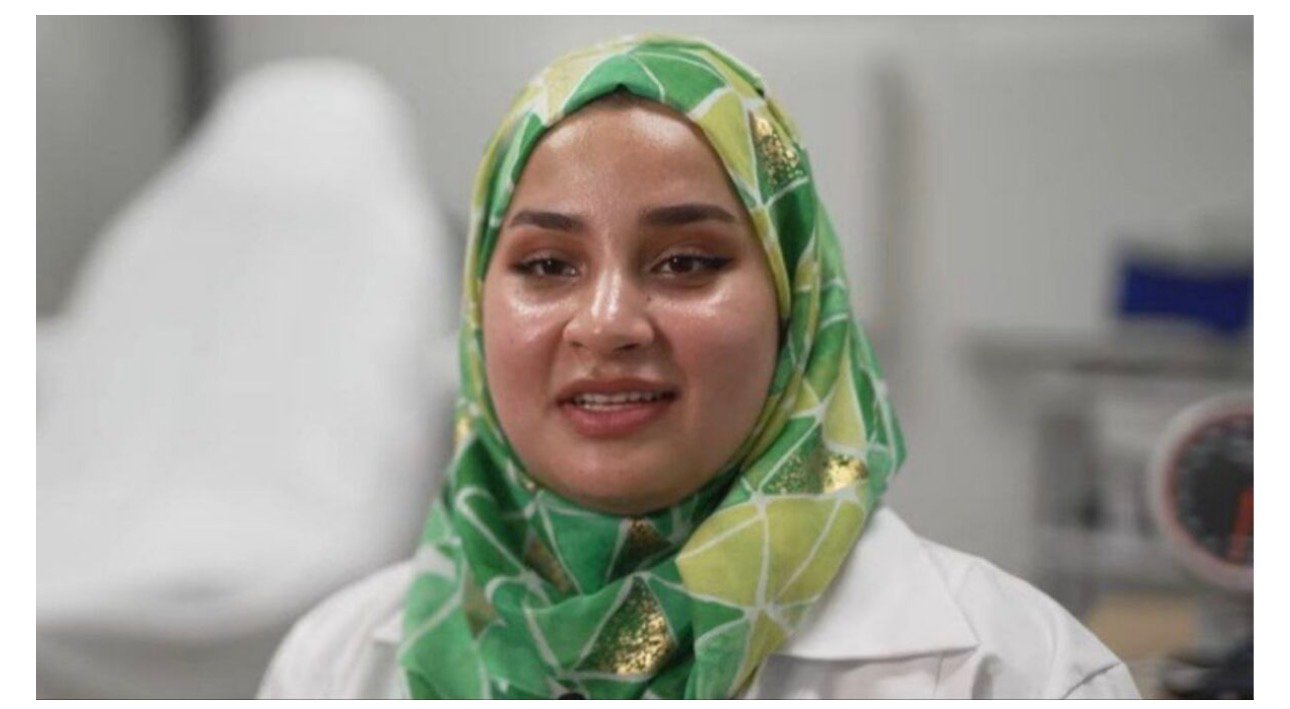
For Rozita Mortazai, becoming a doctor was the result of years of study, sacrifice, and determination. Yet nearly four years after fleeing Afghanistan and seeking safety in the Netherlands, the 31-year-old physician remains unable to practice the profession she trained for.
Mortazai left Afghanistan after the Taliban returned to power in 2021, a moment that transformed the lives of millions of Afghans and forced many professionals to seek refuge abroad. She says the collapse of the previous government raised serious concerns not only about her career prospects but also about her personal safety.
Before leaving the country, Mortazai had recently graduated in general medicine and was working as a physician assistant at a NATO military hospital. Like many educated Afghans caught in the upheaval of 2021, she suddenly found herself rebuilding her life from scratch in a foreign country.
Today, she lives with her family in the Dutch city of Nunspeet. Although she has spent years trying to re-enter the medical profession, she has yet to receive authorization to work independently as a doctor.
To maintain her skills and gain familiarity with the Dutch healthcare system, Mortazai currently volunteers at a general practitioner’s clinic. The work keeps her connected to medicine, but it is not a substitute for the career she spent years preparing to pursue.
Under Dutch regulations, doctors who earned their medical qualifications outside the European Union must complete a lengthy recognition process. Requirements include mastering the Dutch language, verifying academic credentials, passing theoretical and practical examinations, and obtaining registration in the country’s professional healthcare register, known as BIG.
Mortazai says she has already submitted the required documentation and successfully completed the language examination. However, she remains on a waiting list for the practical assessments needed to move forward.
“They told me there is not enough capacity and that I have to wait,” she said. “It creates uncertainty because I do not know when I will finally have the opportunity to take the exam.”
According to Mortazai, limited testing capacity has become a major obstacle for many foreign-trained physicians attempting to enter the Dutch healthcare workforce. The delays affect not only individual careers but also highly skilled professionals eager to contribute to a healthcare system that, like many across Europe, faces staffing challenges.
Despite the obstacles, she remains committed to her goal.
“I do not want any other job,” Mortazai said. “I have always dreamed of being a doctor, and I will continue working toward that goal no matter how long it takes.”
Alongside her preparation for professional examinations, she continues to improve her Dutch language skills, which she considers essential for providing safe and effective patient care.
She has also noticed significant cultural differences between medical practice in Afghanistan and the Netherlands. In Afghanistan, patients often leave final treatment decisions entirely to physicians. In the Netherlands, by contrast, shared decision-making between doctors and patients plays a much greater role in the healthcare process.
Mortazai’s story reflects a broader challenge faced by many refugee and migrant professionals across Europe. While host countries often welcome highly educated newcomers, the path to professional recognition can be slow, expensive, and administratively complex.
Her experience highlights a growing dilemma confronting many Western countries: how to balance rigorous professional standards with the need to integrate skilled migrants into critical sectors such as healthcare. As Europe continues to face shortages of medical personnel, the experiences of professionals like Mortazai raise questions about whether existing systems are effectively utilizing the talent already within their borders.
For now, Mortazai remains in a waiting room of a different kind—not a hospital corridor, but a bureaucratic process that stands between her and the profession she refuses to abandon.