
Saad Mohseni: The Situation of Women in Afghanistan Is Good; Remarks Trigger Wave of Criticism
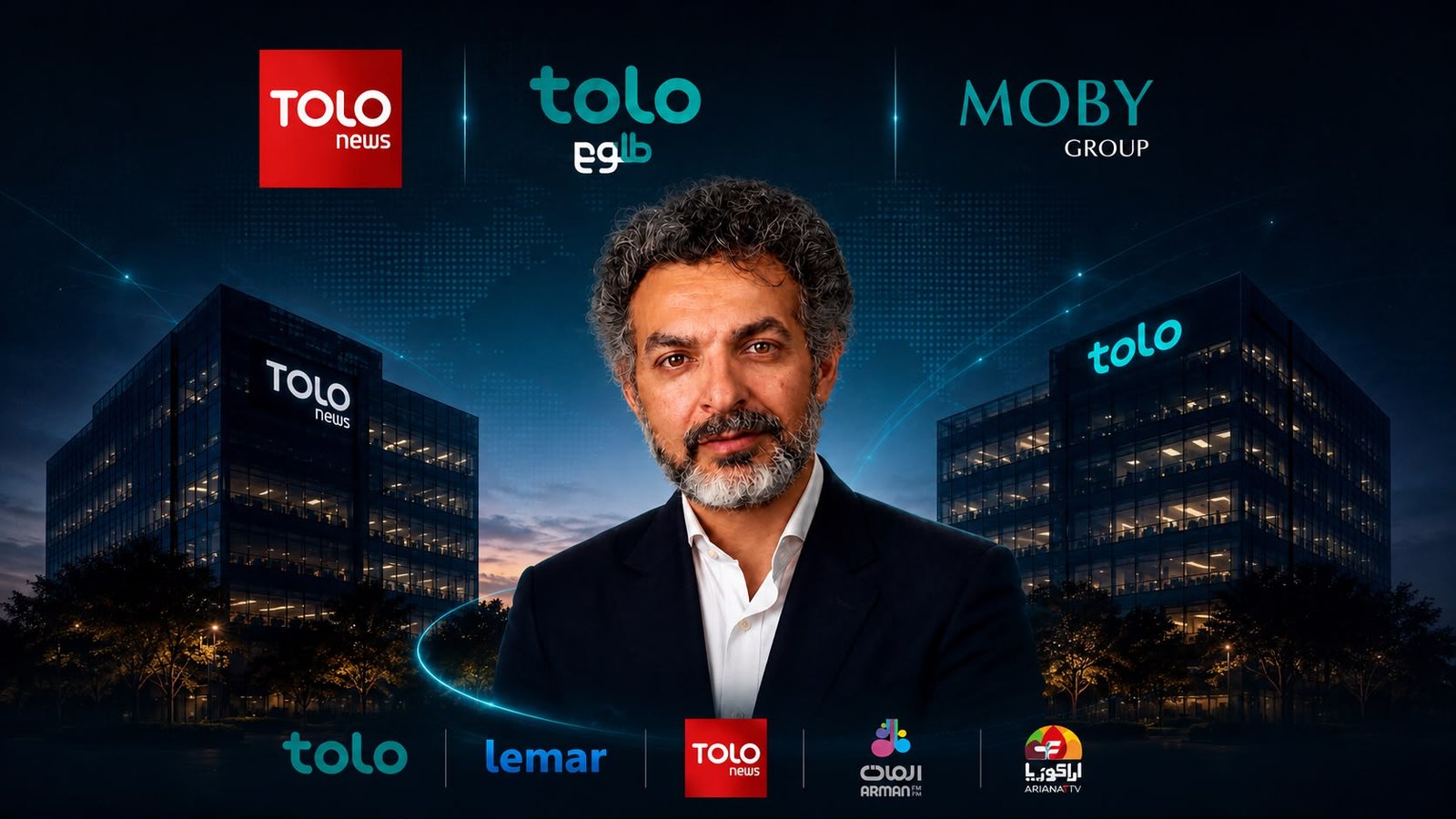
Saad Mohseni, founder and chairman of Moby Group and owner of TOLO TV and TOLOnews, has described the situation of women in Afghanistan in positive terms, remarks that have generated widespread reactions among media activists and women’s rights advocates.
Mohseni, who has been regarded as one of Afghanistan’s most influential media figures over the past two decades, has long advocated for press freedom, access to information and the role of media in social development. Critics, however, argue that his prominent position in the media landscape makes his assessment of women’s conditions particularly significant and deserving of scrutiny and accountability.
Among the most prominent critics of Mohseni’s remarks is Sediqullah Tawhidi, former head of the Afghan media support organization Nai. Responding to Mohseni’s comments, Tawhidi accused him of helping “sanitize” the Taliban and argued that describing the situation of women as “good” is inconsistent with the reality faced by millions of Afghan women.
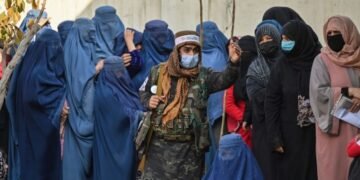
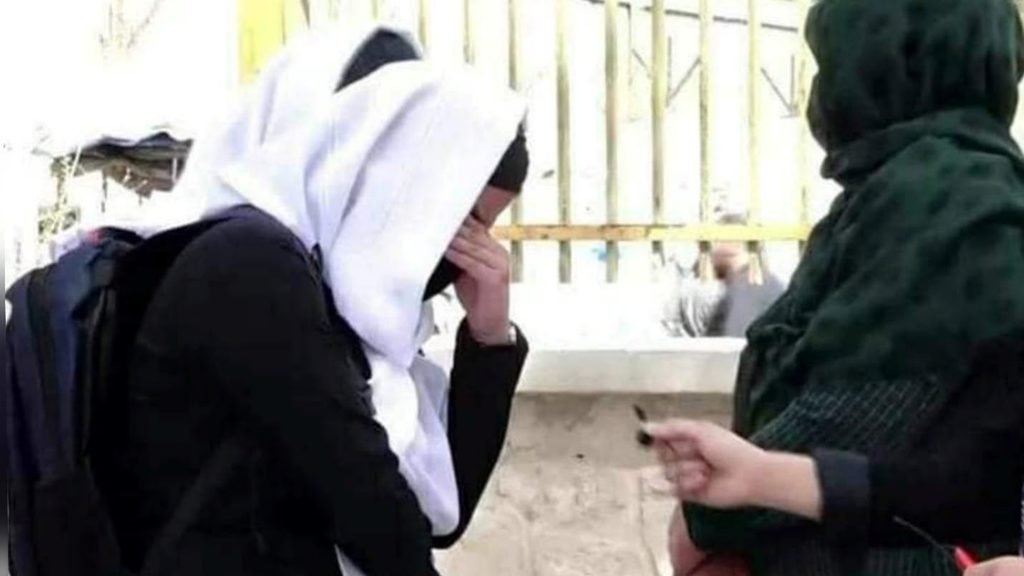
Tawhidi noted that millions of girls remain barred from secondary and higher education, that broad restrictions have been imposed on women’s employment, and that women continue to face significant limitations in many aspects of public life.
Other women’s rights activists have also argued that any assessment of women’s conditions should be based on measurable realities, including access to education, employment opportunities, freedom of movement and participation in society, rather than on political or media narratives.
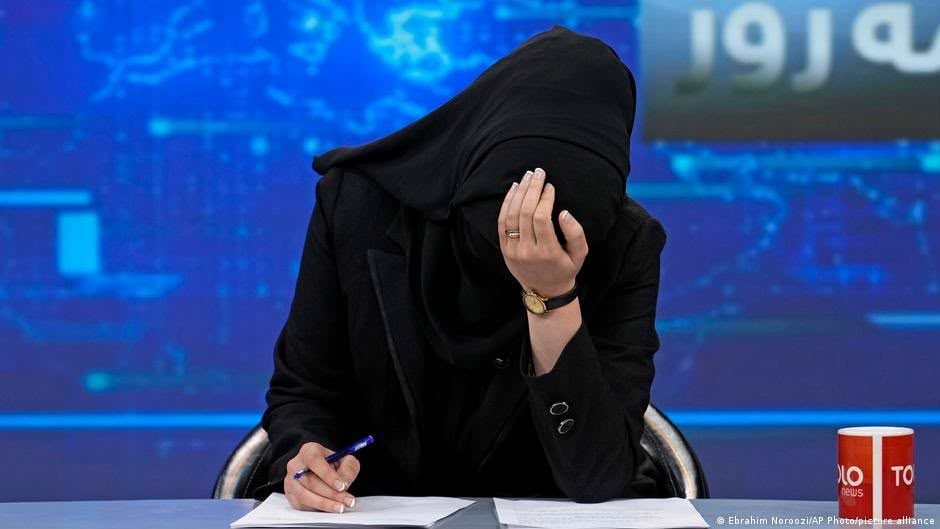
However, the central question extends beyond Mohseni’s recent remarks.
Critics ask whether there has been a shift between the views currently expressed by the owner of TOLO and the approach the network followed for years regarding women’s rights.
Over the past two decades, TOLO TV and TOLOnews have repeatedly published reports on violence against women, girls’ education, civil rights and women’s participation in society. Some critics now argue that it is important to determine whether the current views of the company’s leadership remain consistent with the network’s earlier editorial approach.
The question is significant because media organizations do more than report events; they also help shape public opinion.
At the same time, some long-time critics of Moby Group have once again raised questions about the company’s funding sources, political connections and editorial independence.
Over the years, numerous reports and analyses have discussed the role of foreign assistance in the development of Afghanistan’s media sector. Critics argue that the public has a right to know more about the funding sources, ownership structure and mechanisms used to safeguard editorial independence within major media organizations.
Supporters of Moby Group, on the other hand, argue that the company has been one of Afghanistan’s most important media organizations over the past two decades. They point out that its outlets have repeatedly faced security threats and that a number of its employees were killed in terrorist attacks, demonstrating the high price the organization has paid for its journalism.
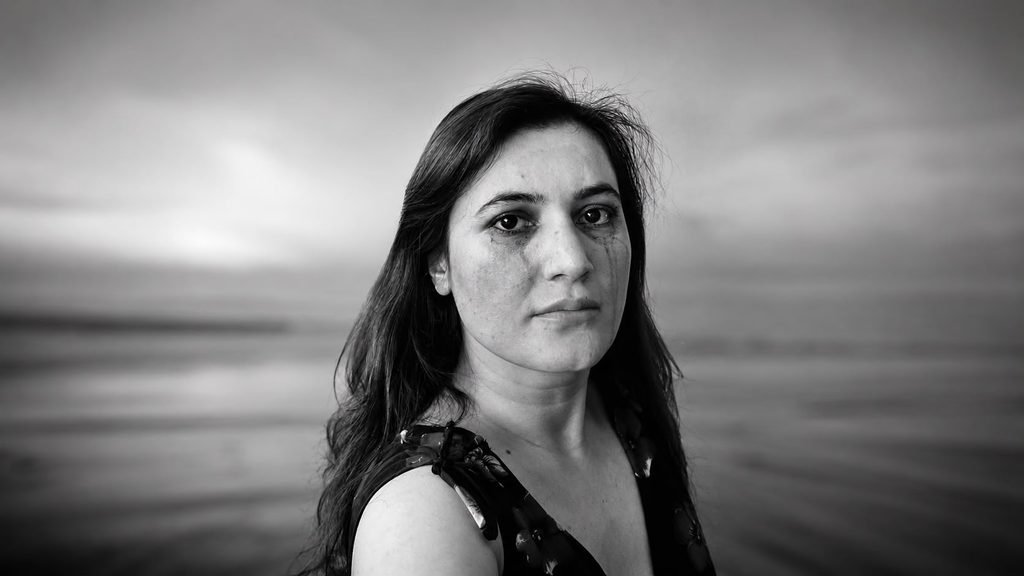
In recent weeks, another issue has also added to the debate surrounding Mohseni.
Tahmina Sorous has alleged in a published account that during a private gathering in Kabul in 2020, Saad Mohseni kissed her and attempted physical contact without her consent. She claims that after the incident she tried to distance herself from him and eventually decided to leave the gathering.
However, these allegations have not been confirmed by any court or independent body, nor has independent evidence been publicly released. As of the publication of this report, a detailed public response from Mohseni regarding the allegations was not available.
Under the principles of professional journalism, the matter currently remains an allegation made by Tahmina Sorous and should not be treated as an established fact.
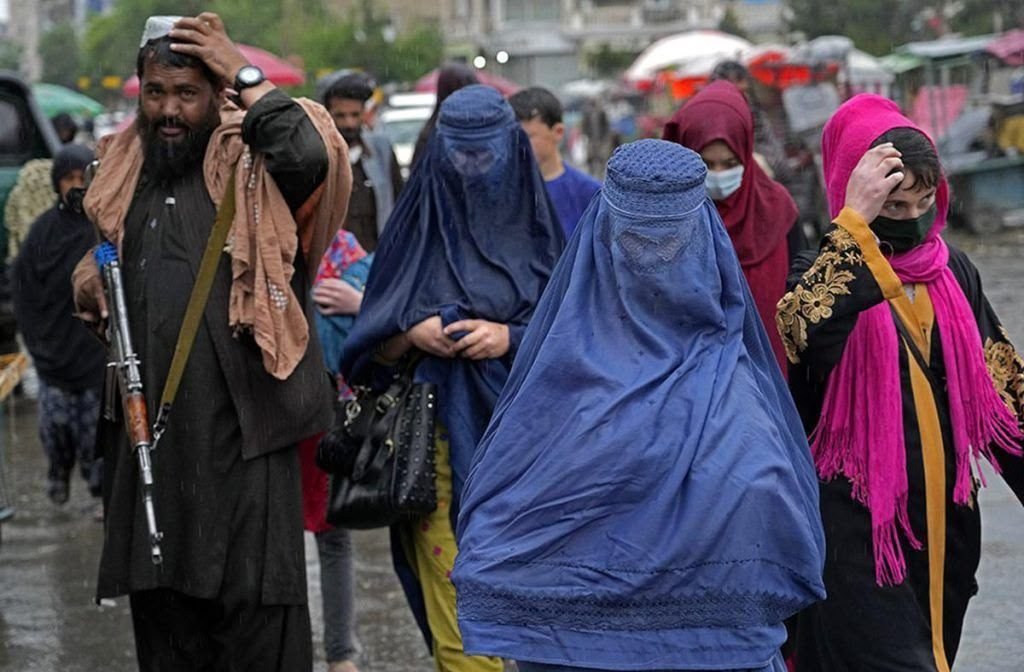
Beyond all these controversies, the broader issue is accountability.
Media organizations routinely demand transparency from governments, politicians, security officials and centers of power. This raises a parallel question: are major media organizations willing to be equally transparent about their own funding, ownership structures, political relationships and editorial decisions?
This question is not directed solely at Moby Group. It applies to all media organizations that influence public opinion.
Public trust is the most valuable asset any media outlet possesses. That trust is strengthened when media organizations are willing not only to question others, but also to subject themselves to scrutiny, criticism and accountability.
TOLO TV, TOLOnews, Moby Group and Saad Mohseni have the right to respond to all criticism, questions and allegations raised against them, just as critics have the right to question the performance of influential media organizations.
One question, however, remains unresolved:
At a time when millions of Afghan women continue to face significant restrictions on education, employment and public participation, what is the basis for describing their situation as “good,” and are Afghanistan’s most influential media organizations prepared to explain that assessment and its implications to the public?